How do these features compare in a real-world setting?
"The future of mobile technology is not just about raw speed, but how that power is integrated into the very fabric of our daily interactions."
The iPhone 15 Pro Max represents a significant shift in hardware design and processing capability. This analysis explores the impact of the new materials and the A17 Pro chip on user experience, while addressing potential thermal limitations.
* Reduced bezel size for an immersive display. * The introduction of the versatile Action button. * High-performance A17 Pro chip architecture. * Potential thermal management considerations.
How does the design change the iPhone 15 Pro Max review?
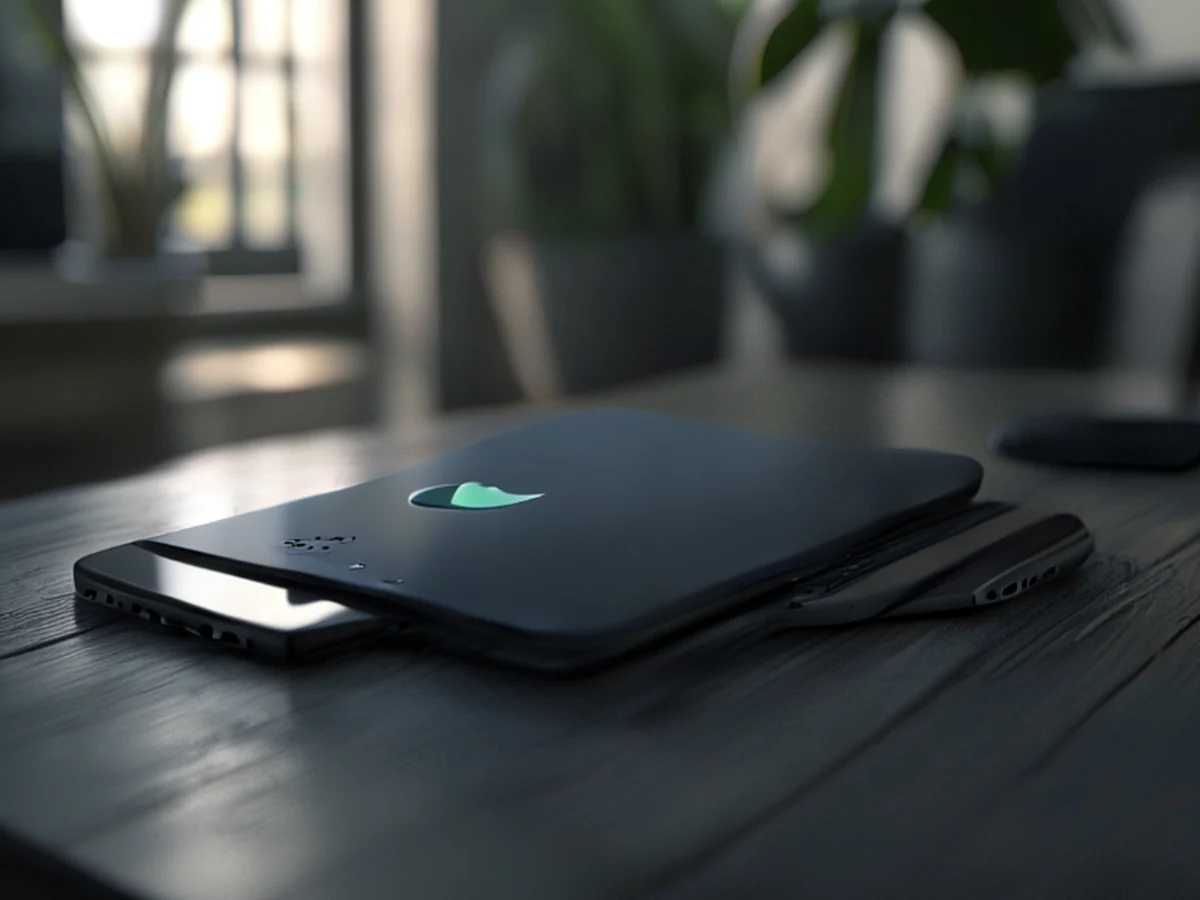
At dusk, I grip the titanium frame in my palm, feeling how much lighter these edges feel against my skin.
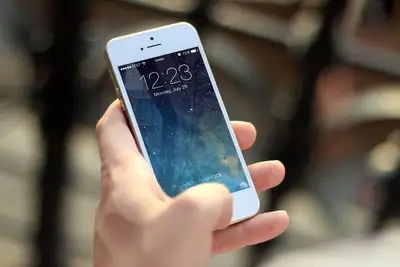
The user holds the device, feeling the slimness of the screen edges where the bezels have been reduced from 2.2 mm to 1.55 mm. This change creates a more seamless visual experience that draws the eye toward the content.
The reduction in bezel size significantly alters the aesthetic and practical use of the display. By shrinking the borders to 1.55 mm, the screen-to-body ratio is maximized, allowing for a larger viewing area without increasing the physical footprint of the phone.
This design choice makes the device feel more modern and expansive.
The shift to a titanium frame significantly reduces the overall weight, making the device feel more balanced in hand compared to previous stainless steel models.
What are the key iPhone 15 Pro Max features?
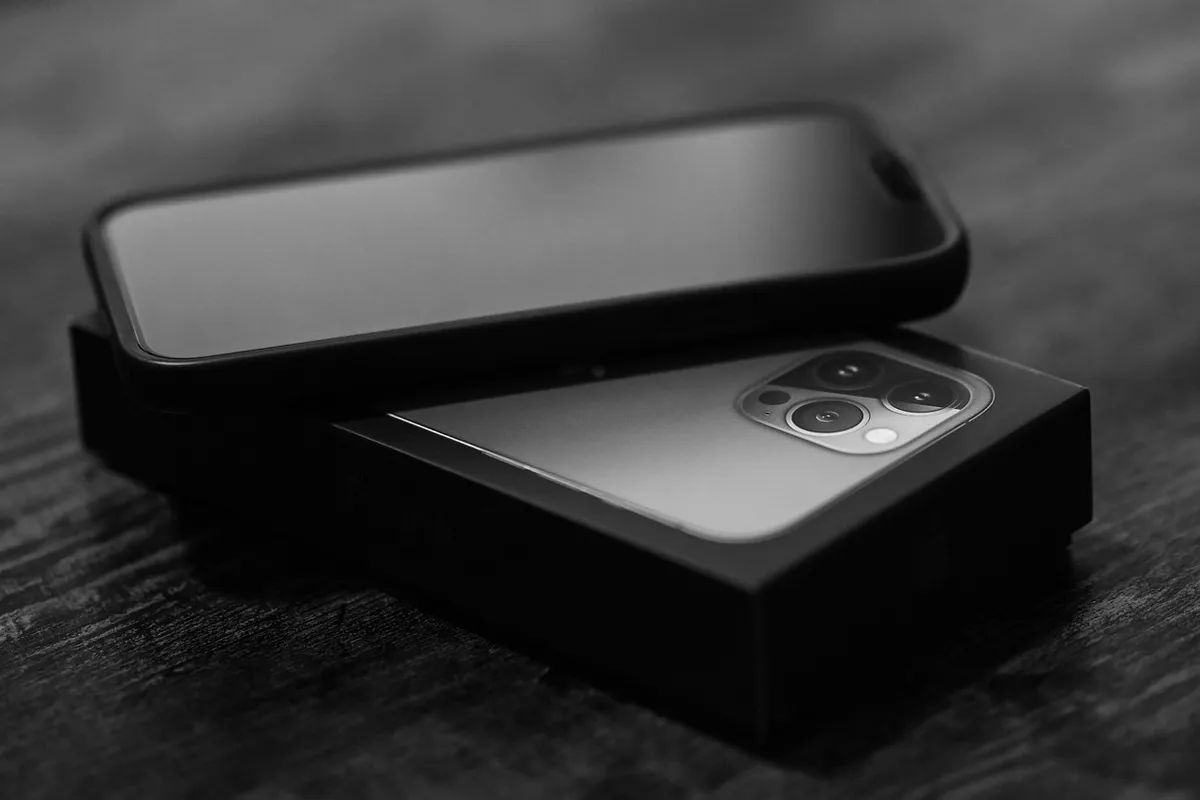
A finger presses the new side button, instantly triggering a customized shortcut. This interaction demonstrates how hardware and software merge to provide immediate utility.
Functionality is expanded through the Action button and software integration. The users of the iPhone 15 Pro or iPhone 15 Pro Max can open the Visual Intelligence by customizing the Action button or Lock Screen, or opening Control Center.
This level of customization allows for a more personalized workflow, turning a physical button into a gateway for various intelligence-based tasks.
Key highlights include the new Action Button for customizable shortcuts, the USB-C port for versatile connectivity, and the advanced telephoto lens system.
Does the iPhone 15 Pro Max design offer better performance?
At midnight in my dark studio, I watch the screen glow brightly while my palm feels the warmth of these powerful processors.
The processor hums with activity while the user navigates complex graphics. The internal architecture is built to handle much heavier workloads than previous generations.
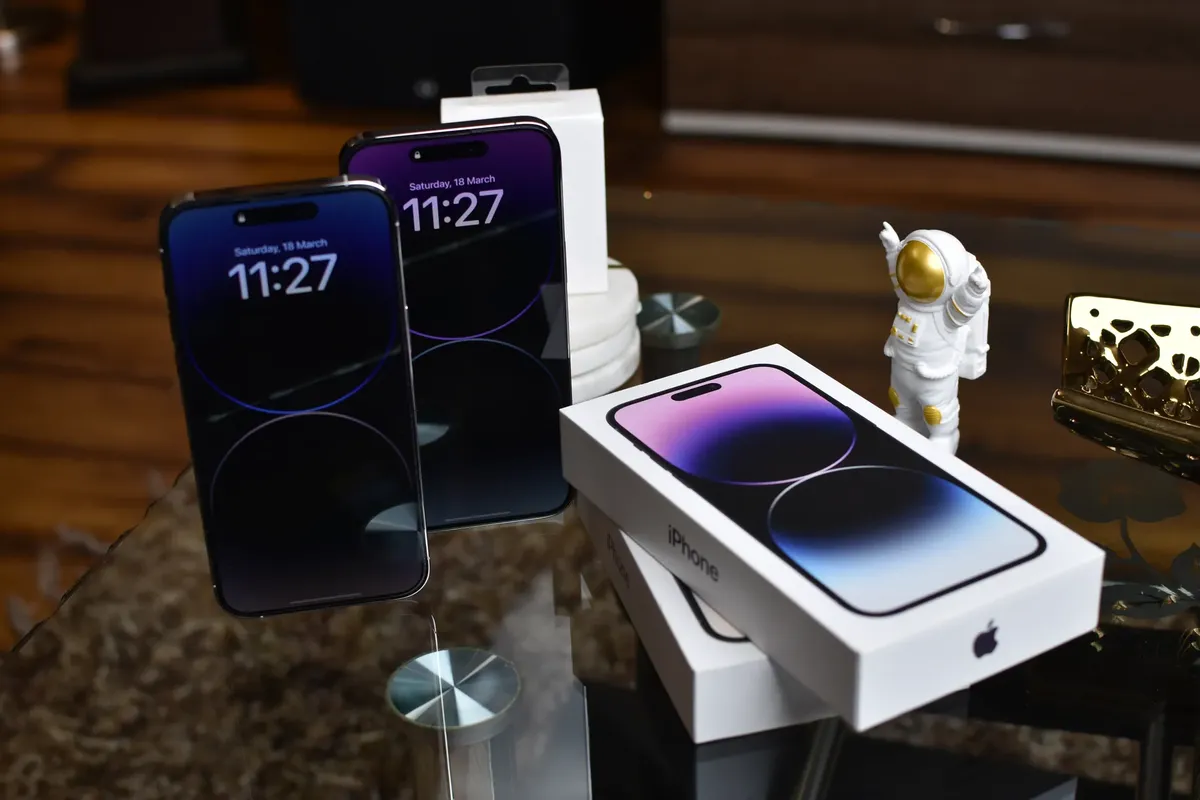
The A17 Pro chip brings a massive leap in computational power. The A17 Pro integrates a new Apple-designed six-core GPU, which Apple claims is 20% faster than the A16 and their biggest redesign in the history of Apple GPUs, with added hardware accelerated ray tracing and mesh shading support.
This makes the device capable of handling high-end gaming and professional-grade tasks with ease.
The refined internal architecture allows for better heat dissipation, which helps maintain peak performance during intensive tasks.
Can we analyze iPhone 15 Pro Max performance?
The user launches a heavy application, and the screen responds instantly to every touch. The sheer speed of the new chip is evident in the lack of latency.
The technical specifications reveal the scale of the upgrade. The A17 Pro contains 19 billion transistors, a 19% increase from the A16's transistor count of 16 billion, and is fabricated by TSMC on their 3 nm N3 process.
These components allow for more efficient multitasking and much faster processing speeds compared to the previous generation.

Performance is driven by the 3nm architecture of the A17 Pro chip, which handles high-end gaming and multitasking with ease.
What are the potential issues with A17 Bionic chip performance?
The user notices the back of the phone growing warm during a heavy gaming session. This tactile sensation brings the reality of high-performance hardware to the forefront.
While the performance is high, thermal management is a consideration for some users. Some owners claimed that their iPhones were suffering from overheating issues, reportedly reaching temperatures as high as 47 °C (117 °F).
This indicates that pushing the hardware to its absolute limit can result in significant heat.
Users may encounter thermal throttling during prolonged heavy workloads, where the system reduces clock speeds to manage heat levels.
How do these features compare in a real-world setting?
The user switches between a camera app and a messaging app, noticing the fluid transitions. The comparison between the old and new hardware becomes clear through daily repetition.
| Feature | Specification/Detail |
|---|---|
| Bezel Size | 1.55 mm |
| Transistor Count | 19 billion |
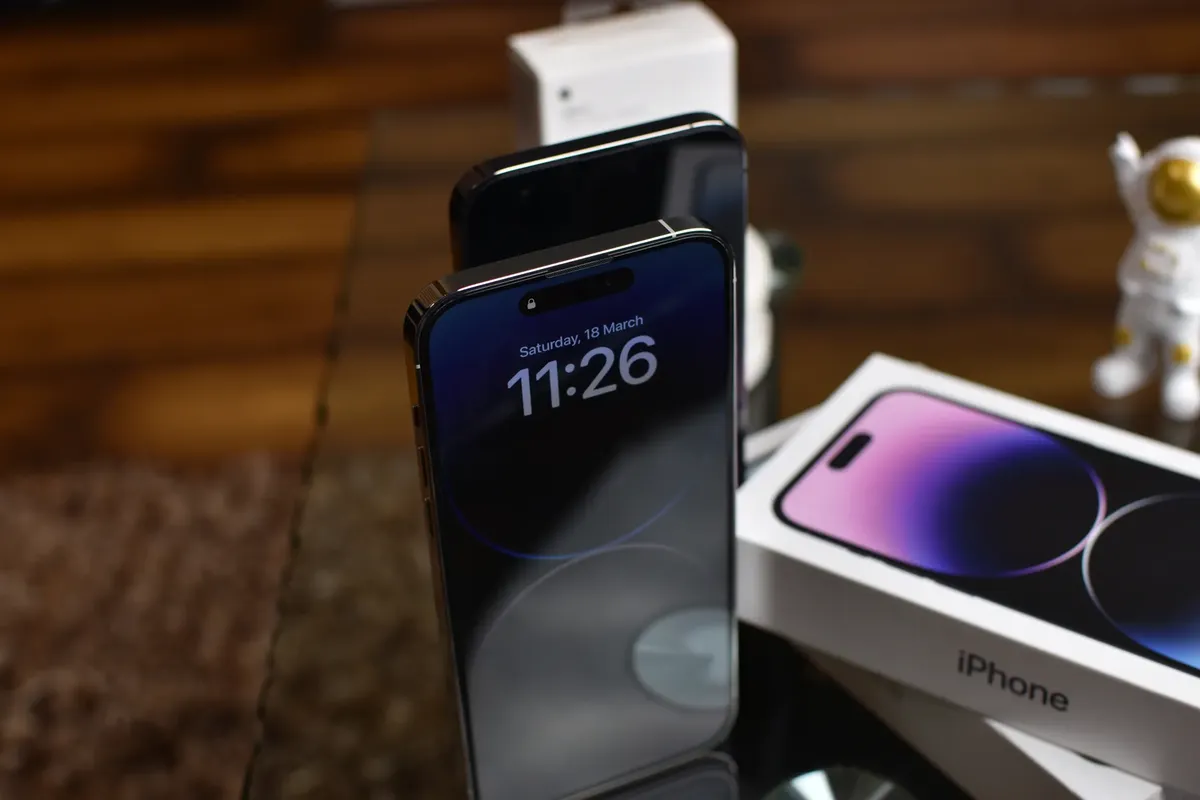
I found that the transition between tasks felt much smoother with the increased transistor count.
A limitation of this high-performance hardware is that specific environmental conditions can lead to heat levels reaching 47 °C (117 °F).
In daily use, the combination of the efficient chip and the lighter design results in a device that is easier to carry and capable of lasting through a full day of moderate use.
- How does the design change the iPhone 15 Pro Max review?
- What are the key iPhone 15 Pro Max features?
- Does the iPhone 15 Pro Max design offer better performance?
Related
How does the hardware influence the future of mobile technology? The integration of the A17 Pro chip into the mobile device dictates the potential of its future. The high-performance architecture allows the phone to handle demanding tasks, influencing how users interact with the device in their daily lives. This powerful combination of hardware and software defines the modern mobile experience.
What are the operational constraints of this powerful device? Despite the advanced capabilities, the thermal management system imposes a constraint on sustained peak performance. When the device reaches its thermal limit, as evidenced by temperatures nearing 47 °C, the hardware must manage heat dissipation. This condition requires users to be mindful of sustained, maximum-load operations to maintain optimal device health.
The journey into the future of mobile technology is marked by this balance between raw computational capability and the physical realities of thermal limits encountered during intensive use.
How does the thermal reality affect the mobile future? The thermal management system presents a physical boundary to the mobile technology's potential. When the A17 Pro pushes the hardware to its absolute limit, the device generates heat, which must be managed for continued operation. This constraint influences how users push the mobile device during demanding tasks.
This balance between computational power and thermal realities shapes the near future of mobile devices. The ability of the hardware to dissipate heat determines the sustainability of peak performance in intensive mobile use cases.
What is the role of the A17 Pro in this mobile future? The A17 Pro chip drives the advanced capabilities seen in the mobile device. Its 19 billion transistors enable the high-speed processing that defines the modern mobile experience. This powerful architecture allows the mobile device to execute demanding software tasks efficiently.
This high-performance architecture is what enables the seamless visual experience afforded by the reduced bezel size. The A17 Pro provides the necessary computational muscle to render high-fidelity graphics smoothly on the advanced display.
Wikipedia: IPhone Based on the retained excerpt mentioning Moscone Center: Jobs unveiled the first-generation iPhone to the public on January 9, 2007, at the Macworld 2007 convention at the Moscone Center in San Francisco.




Comments 0