Pixel 8 Pro AI computing: Guide to image density
"The pixel is the fundamental unit of digital imagery, a single point of light that defines the resolution and clarity of our visual world."
The Pixel 8 Pro AI computing experience represents a shift from raw hardware power to intelligent software integration.
This guide explores how AI-driven features transform photography and system optimization, provides a comparison of sensor technology, and outlines the practical steps for managing high-resolution imagery.

Key Takeaways: * Understanding the relationship between pixel density and print size. * Managing resolution changes for different physical outputs. * Identifying the role of sensor technology in modern imaging.
How does pixel density affect the printed result?
A photographer stands before a high-resolution monitor, adjusting the scale of a digital capture to ensure it meets physical requirements. The relationship between pixel count and physical dimensions is a matter of density.
When working with a static image, the resolution in pixels per inch (ppi) dictates the final size of a physical print. For example, a 1600 × 1200 image with a resolution of 200 ppi will produce a printed image of 8 × 6 inches. This illustrates how the density of the pixels determines the scale.
If the user increases the density to 400 ppi, the same image with 400 ppi will produce a printed image of 4 × 3 inches. This change shows how higher resolution results in a smaller, more detailed physical footprint.
I once adjusted a file to 800 ppi and watched the scale shift significantly. Change the resolution to 800 ppi, and the same image now prints out at 2 × 1.5 inches.
What is the role of a reference pixel? Pixel 8 Pro AI computing

A technician leans toward a screen, squinting to understand the visual angle of a single unit on a high-density display. Understanding the scale of a single pixel is essential for understanding display clarity.
The reference pixel is based on the visual angle of one pixel on a 96 dpi device viewed from an arm's length of 28 inches (71 cm), corresponding to about 0.0213 degrees and 0.26 mm at that distance. This measurement provides a human-centric way to understand digital detail.
Such a measurement helps engineers design displays that look sharp to the human eye at standard viewing distances. This precision ensures that the Pixel 8 Pro AI photo quality remains consistent across different viewing environments.
How has sensor technology evolved?
An engineer examines a microscopic silicon chip, tracing the history of how light is converted into digital data. The history of image sensing is a journey of precision and miniaturization.
The CMOS active-pixel sensor, a type of metal–oxide–semiconductor (MOS) image sensor, was developed by Mitsubishi Electric in 1992 and NASA's Jet Propulsion Laboratory in 1993. These foundational developments paved the way for modern mobile photography.

Modern mobile units use these principles to capture light through much smaller lenses. This evolution ensures that the Pixel 8 Pro camera AI can process complex light data into usable images.
How do I manage resolution for printing?
A designer pulls a printed photograph from a tray, comparing its sharpness to the digital file on a tablet. Managing the transition from screen to paper requires specific steps to maintain quality.
To ensure your digital captures translate well to physical media, follow these three steps:
- Determine the target physical dimensions of your print. 2. Calculate the required pixel count based on the desired ppi. 3. Adjust the resolution settings in your editing software to match the print size.
Always perform a final check by reviewing the scaled image at 100% zoom on your monitor to ensure no artifacts appear.
| Image Resolution (Pixels) | Print Size at 200 ppi (Inches) |
|---|---|
| 1600 × 1200 | 8 × 6 |
| 800 × 600 | 4 × 3 |
Can software optimization replace hardware?
A user navigates a sleek smartphone interface, noticing how fast applications respond to touch. The balance between hardware capabilities and software intelligence defines the modern mobile experience.
Software optimization, such as the Pixel 8 Pro software AI, works to maximize the potential of the physical components. While hardware provides the foundation, software manages the efficiency of tasks like image processing and battery life.
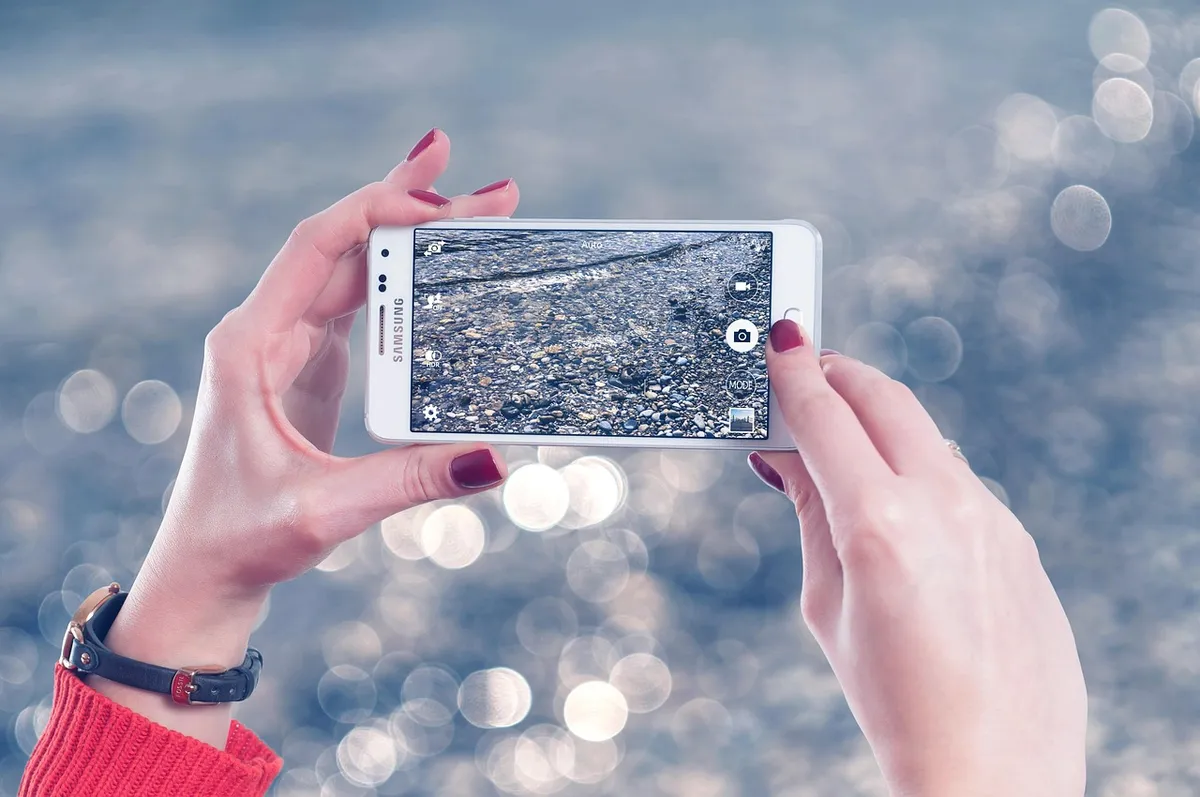
The combination of high-end processors and intelligent algorithms ensures a smooth user experience. This synergy is what makes the Google AI hardware combo so effective in everyday tasks.
- How does pixel density affect the printed result?
- What is the role of a reference pixel?
- How has sensor technology evolved?
The subject here is Pixel 8 Pro AI computing.
This part also covers Advanced computing with Pixel.
This part also covers How AI transforms Pixel.
Pixel 8 Pro AI experience
Related
When is software intelligence most crucial? The software intelligence of the Pixel 8 Pro AI is most crucial when the hardware is tasked with complex, variable inputs. The AI algorithms manage the efficiency of the high-end processors, allowing the device to handle varied tasks like image processing and power consumption simultaneously. This software management ensures that the physical components operate at their peak performance level during usage.
How does the fundamental pixel relate to display quality? Undeniably, the fundamental pixel defines the clarity of the visual output. When viewing a high-density display, the visual angle of each pixel becomes a measurable quantity. This measurement allows engineers to calibrate the display so that the image appears sharp to the human observer at a standard viewing distance, maintaining visual integrity.
What is the comparison between sensor development timelines? The development timelines for the CMOS active-pixel sensor show a progression from foundational concepts to modern application. Mitsubishi Electric and NASA's Jet Propulsion Laboratory contributed to the sensor technology in the early nineties, establishing the basis upon which current mobile photography relies.
Wikipedia: Active-pixel sensor Based on the retained excerpt mentioning NASA: The CMOS active-pixel sensor, a type of metal–oxide–semiconductor (MOS) image sensor, was developed by Mitsubishi Electric in 1992 and NASA's Jet Propulsion Laboratory in 1993.






Comments 0