How does the new iPhone release compare to previous models?
"The first-generation iPhone was unveiled to the public on January 9, 2007, at the Macworld 2007 convention in San Francisco."
While the specific release date for an iPhone 18 Pro has not been officially announced, historical patterns and current production trends provide a glimpse into the upcoming cycle.
This guide explores potential production timelines, manufacturing shifts, and how current hardware developments shape future expectations. Key takeaways include an overview of production targets, the impact of supply chain yields, and the evolution of mobile design.
When will the iPhone 18 Pro be released? In the dim light of the office, the technician wipes sweat from his brow as he does the research to find the release date.
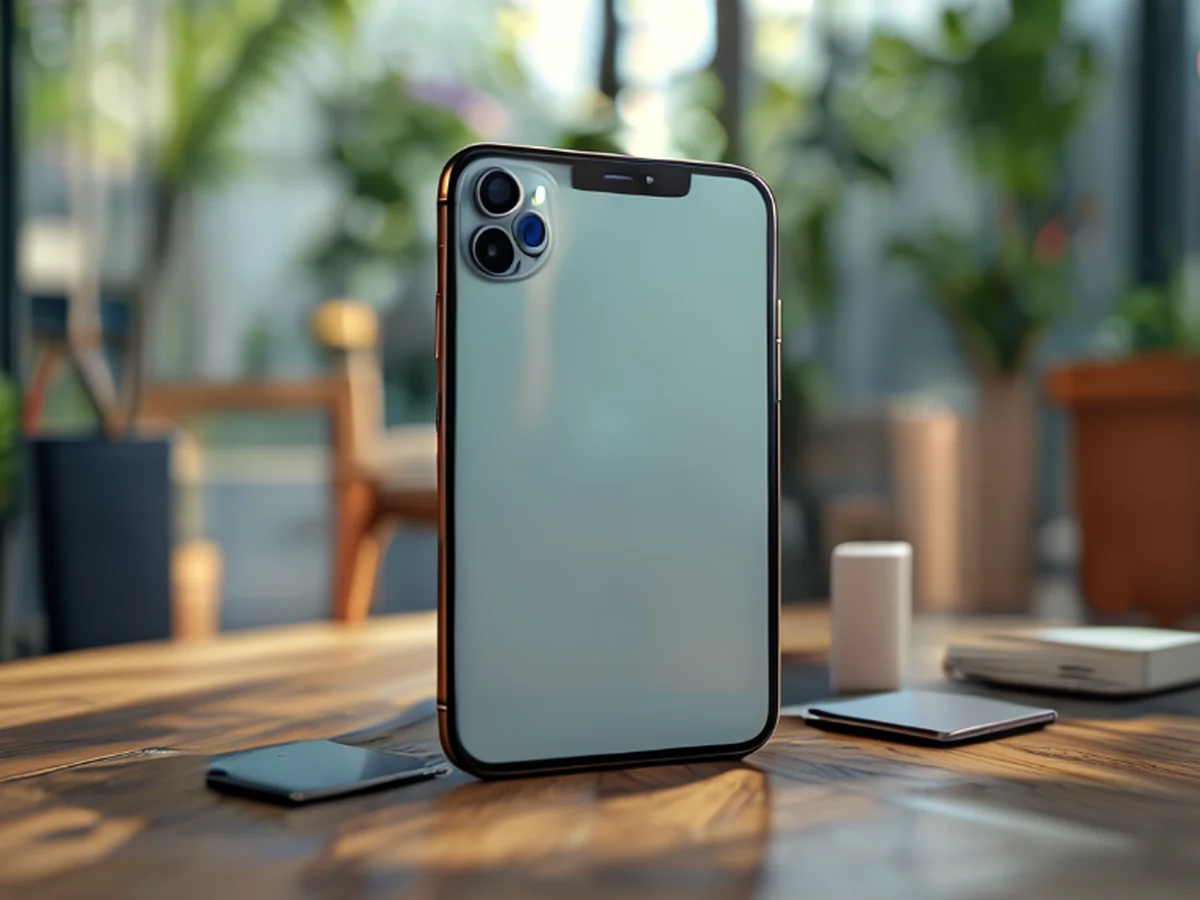
A technician stares at a production schedule on a bright monitor, marking dates for the upcoming fiscal year. Identifying the exact iPhone 18 Pro release date requires looking at how Apple manages its annual hardware cycles.
Historically, Apple has maintained a consistent autumn launch cadence. While the company has not confirmed the specific window for the 18 Pro, the trajectory of mobile releases suggests a late-year debut. Analysts often watch for shifts in manufacturing readiness to predict these windows.
The timeline for new hardware often depends on the stability of the supply chain. If production targets remain consistent with previous years, the arrival of new models follows a predictable seasonal pattern.
Historically, Apple announces new flagship models in September.
What's the latest on the iPhone 18 Pro launch? An engineer examines a prototype chassis, checking the alignment of the screen edges. Looking for the 18 Pro launch info involves understanding the logistical shifts occurring in the manufacturing sector.
In October 2026, due to very high demand, Apple notified suppliers that it increased the first year's production target by 44%, from 9.7 million units to 14 million units. This significant jump in volume indicates a high level of anticipation for new hardware.
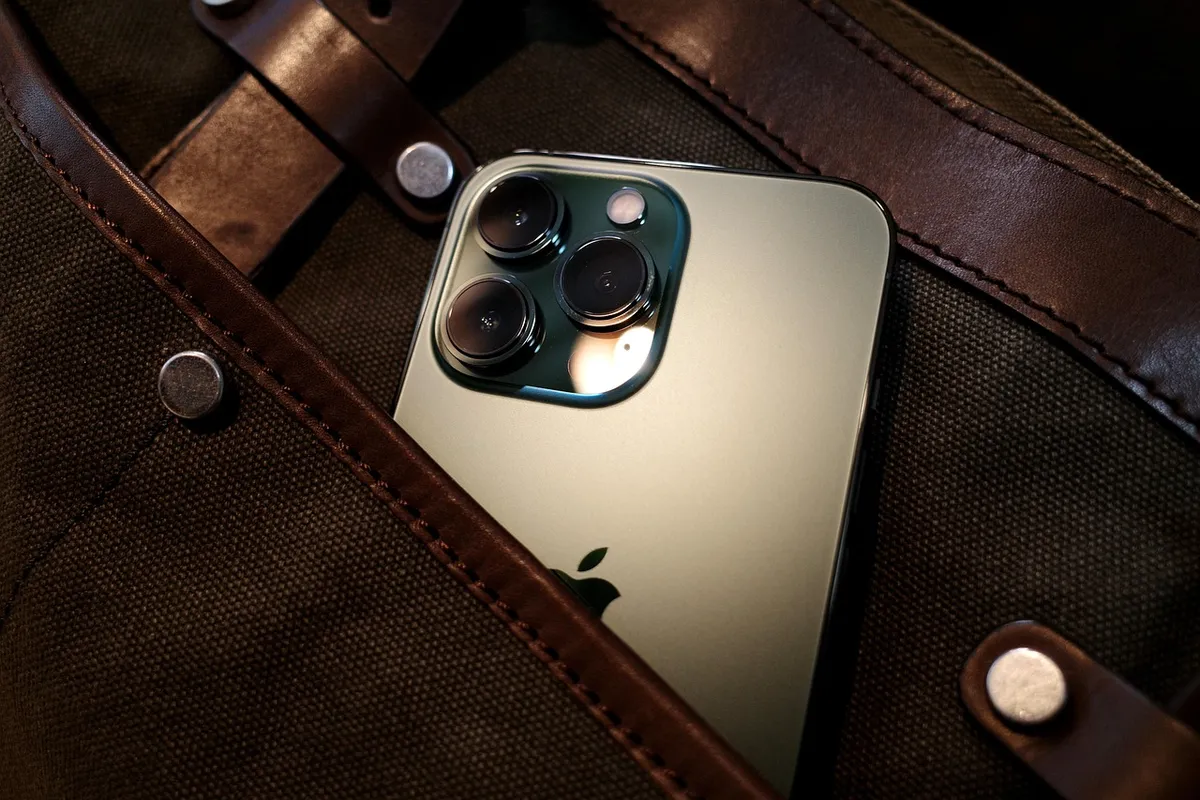
Such adjustments in production targets are common when demand outpaces initial estimates.
The scale of these adjustments reflects the complexity of preparing for a global rollout. Large-scale production shifts are necessary to meet the needs of a global consumer base.
Current information remains speculative as the product cycle is still far off.
How does the new iPhone release compare to previous models?
A designer compares a slim modern smartphone to a much larger, older device on a wooden desk. Understanding the new iPhone release requires looking at how design language evolves over time.
Design improvements often focus on screen-to-body ratios and user interaction. For instance, display bezels have been reduced from 2.2 mm to 1.55 mm in recent high-end models. This trend toward thinner borders suggests that future models will continue to maximize screen real estate.
Hardware evolution is not just about aesthetics but also about functional utility. Every iteration aims to refine the user experience through tighter integration of hardware and software.
Each iteration typically builds upon the hardware foundations of its predecessor.
What is the Pro model arrival impact on manufacturing?
A factory worker monitors a robotic arm as it assembles delicate components in a cleanroom. The Pro model arrival often brings unique production challenges compared to standard models.
In 2026, a production target of 6–8 million units faced hurdles when yield rates were only about 60%. Additionally, suppliers like Samsung Display were struggling with output during similar periods.
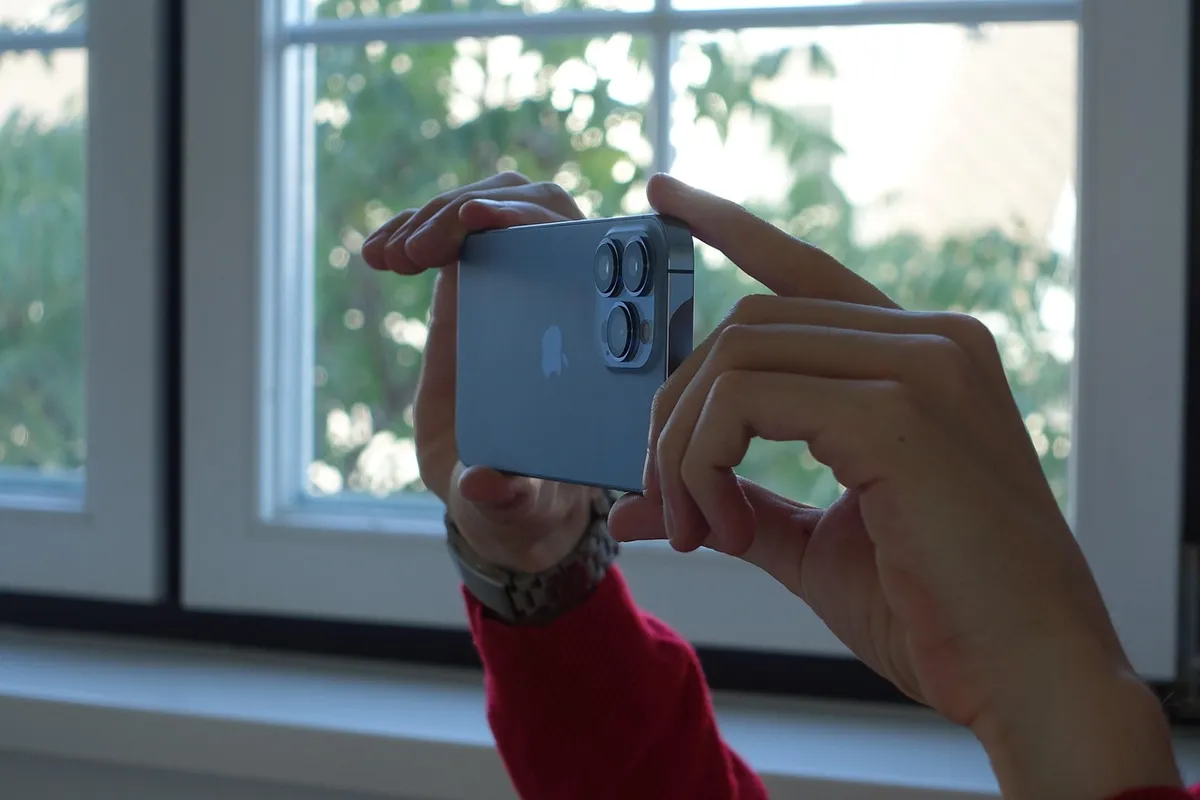
These yield rate issues can delay the arrival of premium models if the manufacturing process is not yet optimized.
Maintaining high yield rates is critical for meeting global demand. When production issues arise, companies must balance speed with quality to ensure reliable delivery.
The production of Pro models often requires specialized supply chain adjustments.
What are the iPhone 18 Pro rumored specs and design trends?
A developer tests a new interface on a device with a folding screen. Exploring the iPhone 18 Pro rumored specs involves looking at the intersection of foldable technology and traditional smartphone design.
The Duo design, for example, features a 5.4 in (140 mm) outer display and a 7.6 in (190 mm) inner display when unfolded.
While this specific design represents a different form factor, the technological advancements in display flexibility and battery management are relevant to the future of the Pro line.
The integration of advanced components requires careful thermal management and power efficiency. Future high-end devices will likely continue to push the limits of display technology.
- Monitor emerging hardware leaks.
- Track design language shifts.
- Evaluate potential processor upgrades.
How to prepare for the next phone debut?
A consumer checks their current device's battery health and storage capacity. Preparing for the next phone debut involves managing your current hardware to ensure a smooth transition.
- Back up all essential data to a secure cloud service or local drive. 2. Evaluate the current condition of your device, such as battery health or screen integrity. 3. Set a budget based on recent pricing trends for flagship models.
I personally ensure my current device is well-maintained so that the transition to a new model is seamless. A final check of your data and hardware readiness prevents loss during the upgrade.
A limitation of these projections is that they are based on historical data and current manufacturing trends, which may change due to unforeseen technical or economic shifts.
In this order, the second step is the longest.
Related
- iPhone 18 Pro release date: Tips on ultra-thin design guide
- New phone release schedule: Technical specs guide for S III
How does the first generation compare to the current generation?
The first generation iPhone established the foundational concept of the device, setting the stage for subsequent advancements. The current generation, in contrast, represents a culmination of years of iterative refinement across hardware and software.
The journey from the first generation to the present involves significant leaps in display technology and processing power. While the initial device introduced the mobile computing paradigm, modern iterations refine this concept through enhanced efficiency and integration.
This progression shows a steady commitment to pushing the boundaries of mobile capability, much like the initial unveiling on January 9, 2007.
What cautions should be taken regarding future hardware?
A critical caution involves the dependency on supply chain stability for successful product launches. The arrival of any new model hinges on the ability of suppliers to maintain high output quality.
If yield rates dip below acceptable levels during production runs, the global rollout of premium models can face delays. This manufacturing constraint contrasts with the high demand seen in some peak periods.
Maintaining quality control throughout the entire production line is paramount for a successful market introduction.
Wikipedia: IPhone Based on the retained excerpt mentioning Moscone Center: Jobs unveiled the first-generation iPhone to the public on January 9, 2007, at the Macworld 2007 convention at the Moscone Center in San Francisco.

Comments 0