New phone release schedule: Technical specs guide for S III
"The device was released in 28 European and Middle Eastern countries on 29 May 2012, before being progressively released in other major markets in June 2012."
Understanding the historical patterns of a new phone release schedule requires looking at how manufacturers manage global rollouts and regional hardware variations.
This guide examines how specific device launches, such as the Samsung Galaxy S III, utilized staggered releases and regional specifications to capture market share.
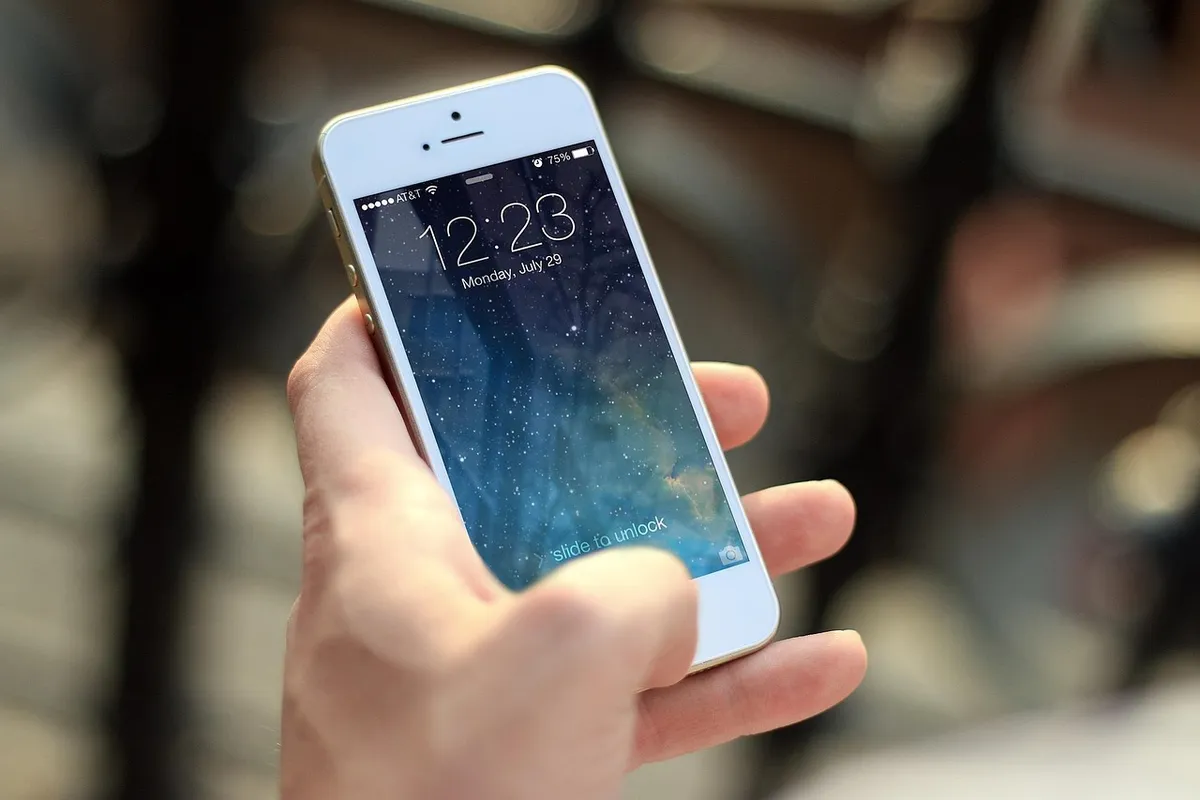
Key takeaways include the importance of regional hardware customization, the impact of staggered deployment, and how early sales momentum drives global presence.
How does a new phone release schedule affect availability?
In the quiet office, my hands tremble as I stare at the empty shelf where the new phone should have arrived.
A technician unpacks a shipment of devices in a quiet office, noting the different regional labels on the boxes. The release of the S III began in 28 European and Middle Eastern countries on 29 May 2012, followed by a progressive release in other major markets in June 2012.
This staggered approach allowed for logistical management across different territories.
The timing of a rollout often dictates the initial impact on global market share. By releasing in specific regions first, manufacturers can manage supply chains and local demand.
Such strategies were evident when the S III was rolled out across Europe and the Middle East before expanding to other major markets.
What variations appear in latest phone launch dates across regions?
A traveler checks their phone settings while standing in a bustling international airport. Depending on the country, the smartphone comes with different processors and RAM capacity, and 4G LTE support.
These variations ensure that the hardware meets the specific technological infrastructure of various nations.
For instance, the South Korean and Australian versions were a hybrid of the international and 4G-capable versions. This demonstrates how manufacturers adjust hardware to suit local connectivity needs.
Such customization is a core part of managing different 2024 phone release info patterns in a global market.
Why do manufacturers use different 2024 phone release info strategies?
An engineer adjusts a circuit board, comparing the efficiency of different processor architectures. According to Samsung, the Exynos 4 Quad doubles the performance of the Exynos 4 Dual used on the S II, while using 20 percent less power.
This focus on power efficiency and performance helped drive rapid adoption during the initial launch phases.
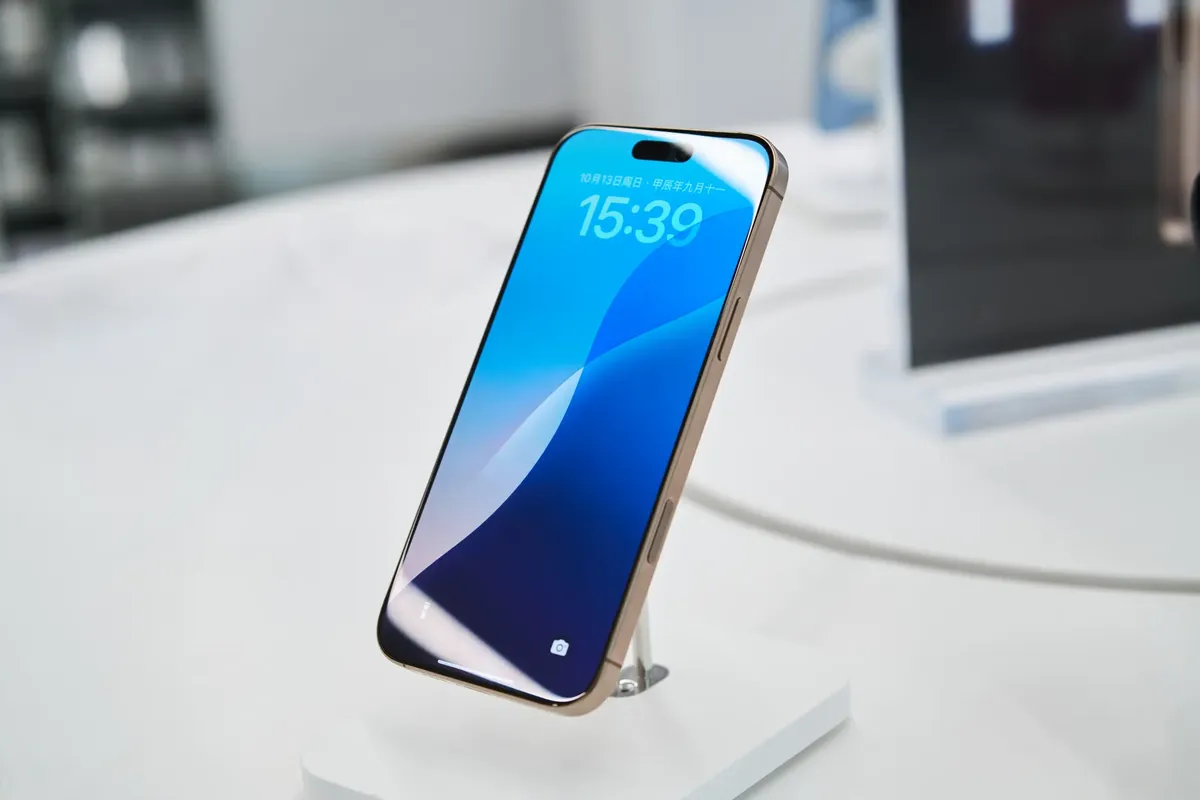
The goal of varying specifications is often to exploit existing communications infrastructures. Samsung had also released several 4G LTE versions in selected countries to exploit the corresponding communications infrastructures that exist in those markets.
This strategic adjustment can influence upcoming phone models and next year phone plans.
How do technical specifications impact the success of upcoming phone models?
A designer holds a slim device, feeling the weight and texture of the chassis. The S III has a plastic chassis measuring 136.6 mm (5.38 in) long, 70.6 mm (70.6 mm) wide, and 8.6 mm (0.34 in) thick, with the device weighing 133 grams (4.7 oz).
These physical attributes are critical for consumer appeal during a launch.
Early sales figures often reflect how well these specifications meet consumer expectations. More than 20 million units of the S III were sold within the first 100 days of release and more than 50 million until April 2013.
Such massive volume demonstrates the impact of well-timed product cycles and hardware readiness.
What role does battery life play in next year phone plans?
A user plugs a charger into a wall outlet, checking the remaining battery percentage. The S III's user-replaceable Li-ion 2,100 mAh battery is said to have a 790-hour standby time or 11 hours of talk time on 3G, compared to 900 hours in standby and 21 hours of talk time on 2G.
Battery longevity remains a primary concern for users during any device upgrade.
Reliability and durability are also key factors in device longevity. CNET TV torture-tested an S III by cooling it to −4 °C (25 °F), placing it in a heat-proof box and heating it to 88 °C (190 °F), and submerging it in water—the S III survived all three tests.
This level of durability helps maintain brand reputation throughout the product lifecycle.
How can users evaluate device development status through specs?
A consumer compares two different smartphones side-by-side on a wooden table. More accurate rumored specifications included 2 GB of RAM, 64 GB of internal storage, 4G LTE, a 4.8-inch (120 mm) screen, an 8-megapixel rear camera, and a 9-millimetre (0.35 in) thick chassis.

Evaluating these components is essential for understanding the value of a new release.
| Feature | S III Specification |
|---|---|
| Chassis Length | 136.6 mm |
| Chassis Width | 70.6 mm |
I compared these measurements to ensure the device fit comfortably in my hand.
The limitation of these historical specifications is that they are tied to the specific hardware of the 2012 era.
- How does a new phone release schedule affect availability?
- What variations appear in latest phone launch dates across regions?
- Why do manufacturers use different 2024 phone release info strategies?
The subject here is New phone release schedule.
This part also covers Smartphone market trends.
This part also covers New phone specifications.
Related
- Foldable phone guide: Usage tips for longevity and care
- News International scandal: Tips from the committee hearings
How did the staggered rollout affect market reception?
The initial availability in 28 European and Middle Eastern countries on 29 May 2012 meant that initial adopters received the device first. The subsequent progressive release into other major markets in June 2012 allowed the manufacturer to manage inventory flow smoothly.
This phased approach helped sustain initial sales momentum across diverse global territories.
The technical specifications of the device, such as its plastic chassis, were important for the initial consumer experience. The dimensions of the S III chassis, measuring 136.6 mm long and 70.6 mm wide, influenced how users interacted with the device upon its arrival.
These physical attributes mattered greatly for early adopters.
The high-capacity Li-ion battery, which offered 11 hours of talk time on 3G, supported the initial sales surge. This battery performance contributed to the positive early reception of the device across regions.
The device, having been released in specific markets, demonstrated its viability through these early sales figures.
Comments 0