iOS vs Android: Comparing User Experience and Ecosystem
"iOS vs Android: A deep dive into user experience, ecosystem integration, and the trade-offs of two dominant mobile OS platforms."
Deciding between an iPhone and an Android device often comes down to whether you value a polished, predictable environment or a flexible, customizable one.
While iOS focuses on a "walled garden" approach that makes everything work together effortlessly, Android offers a vast landscape of hardware choices and software freedom.
Key Takeaways * iOS provides seamless integration across Apple hardware but offers very little room for visual or functional customization. * Android excels in flexibility and hardware variety, though this often leads to software fragmentation.
* Legal battles regarding antitrust and manufacturer restrictions have historically shaped how Android operates. * Security and update speeds vary significantly between the two, often depending on the specific hardware manufacturer.

Why does the interface feel so different?
At midnight in my darkened bedroom, my thumb twitches against the glass as the heavy, rhythmic animations slide across the screen.
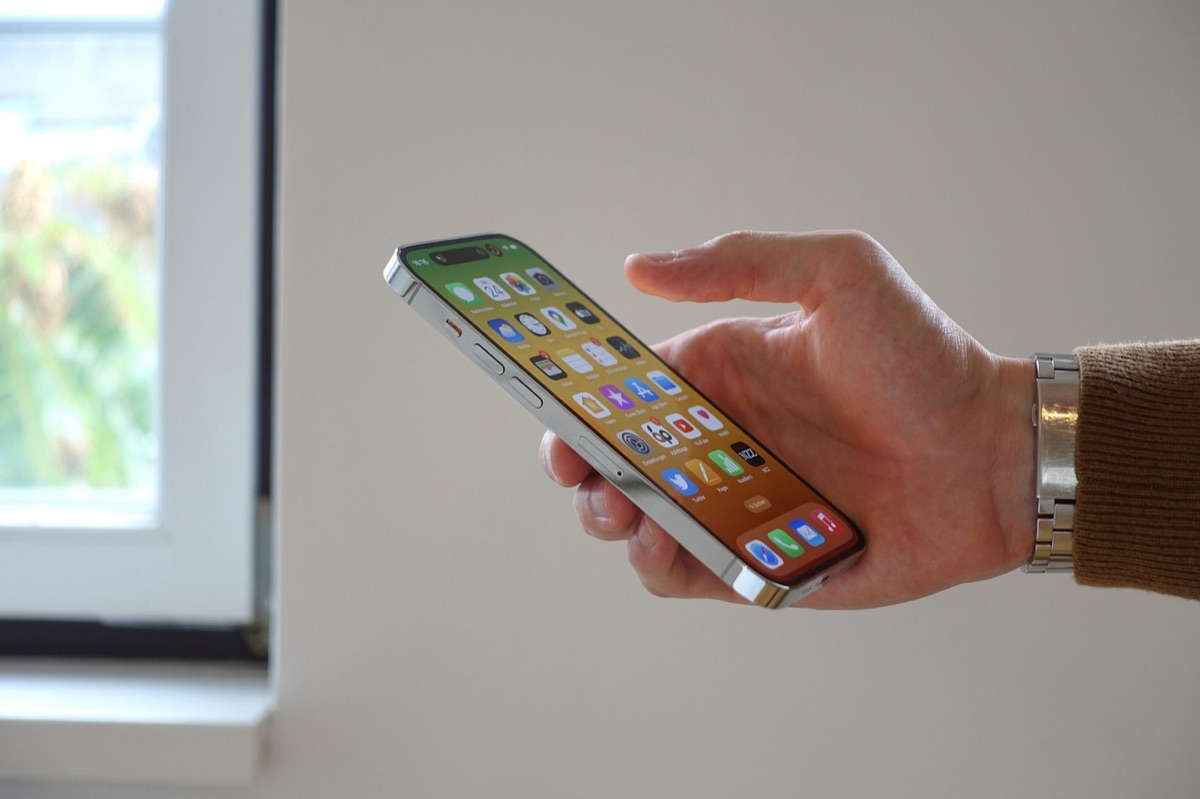
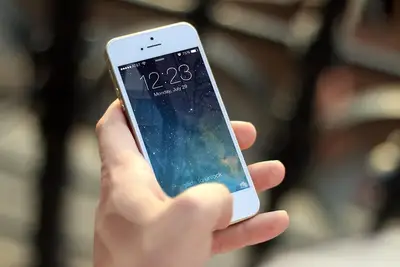
I sat on my couch last Tuesday, scrolling through my phone, and realized how much my muscle memory relies on where buttons are placed. On an iPhone, every icon follows a strict grid, and the animations feel heavy and deliberate.
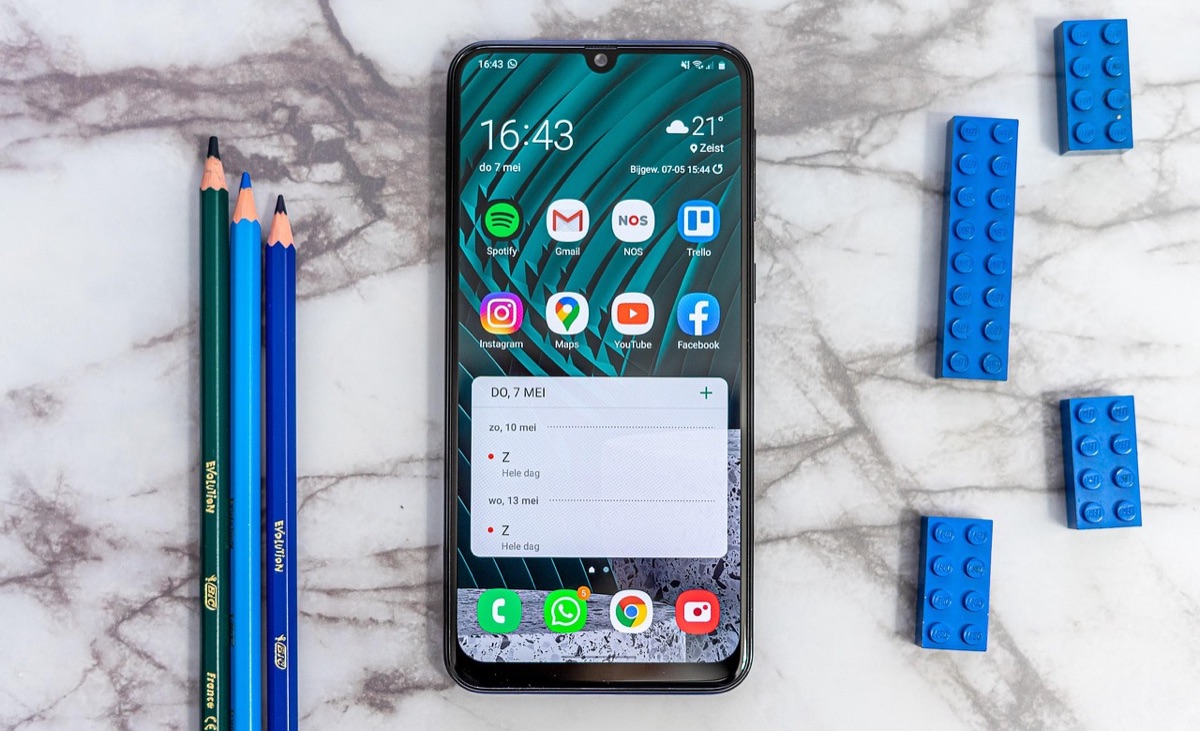
On my Android tablet, I can move anything anywhere, turning the home screen into a personalized dashboard of widgets.
The design philosophies of these two giants are polar opposites. iOS relies on a minimalist, unified design. Because Apple controls both the hardware and the software, they ensure that every app follows a specific aesthetic logic.
You won't find a third-party app store on iOS, which keeps the visual experience consistent but limits how you interact with the system.
Android, conversely, is built for adaptability. Users can change their entire launcher, use custom icon packs, and place widgets anywhere on the screen. This flexibility is a major reason why Android's adaptability to diverse user preferences is so high.
- Open your settings menu to locate the customization tab.
- Select the layout style that matches your previous workflow.
- Adjust the icon density to reduce visual clutter.
- Save your configuration to apply the changes across all connected views.
Will my devices actually work together? Walking into a coffee shop, I watched a student use AirDrop to send a massive video file to a friend in seconds. It looked effortless.
That "it just works" feeling is the cornerstone of the iOS ecosystem, where the iPhone, Mac, and iPad act as a single, cohesive unit through services like iCloud and iMessage.
Android's ecosystem is built around Google services, which are incredibly powerful but often feel more fragmented. While a Pixel phone integrates beautifully with Google Assistant, the experience can change if you switch to a Samsung or a OnePlus device.
This fragmentation is partly due to how the OS is distributed.
The complexity of this distribution has led to legal scrutiny. In September 2021, the Fair Trade Commission in South Korea fined Google $177 million for restricting manufacturers, such as Samsung Electronics, from using modified versions of Android.
This highlights how the Android ecosystem relies heavily on original equipment manufacturers (OEMs) to deliver the final user experience.
When I tried this, I was surprised by how quickly my tablet recognized my smart lights without any manual pairing. I would probably set up the connection during the day rather than late at night to make troubleshooting easier.
Can I really trust the apps I download? I remember downloading a simple coloring game for my nephew, only to realize it was cluttered with intrusive ads and questionable permissions. It was a frustrating moment that highlighted the difference in how these platforms manage their digital storefronts.
According to the Russian Federal Antimonopoly Service, Google was fined US$6.75 million in 2016 following allegations by Yandex.
According to the International Digital Accountability Council, several children's apps with 20 million collective downloads were found to be violating Google's policies.
The vetting processes for the two major app stores are distinct. iOS uses a highly curated App Store model. This strictness helps ensure quality, but it also means developers have less freedom. In contrast, Android's Play Store is massive and diverse, but it has faced challenges with oversight.
For instance, the International Digital Accountability Council (IDAC) informed that apps for children, specifically mentioning titles like Number Coloring, Princess Salon, and Cats & Cosplay, were violating Google's policies despite having collective downloads of 20 million.
This demonstrates that while Android offers more variety, the moderation of those apps can be a hurdle for parents and privacy-conscious users.
- Check the developer's history for consistent updates.
- Review the list of requested permissions to ensure they are necessary.
- Look for a high number of user reviews to gauge reliability.
Is my data actually safe from hackers?
Late at night, I often check my phone's security settings, wondering if a single missed update could leave my banking info exposed. It is a common anxiety, especially when news reports circulate about mobile vulnerabilities.
Security is a battleground where both platforms have had to evolve. iOS has historically benefited from a centralized update system. In 2016, for example, 78% of North American devices were up-to-date with the latest security patches.
Android has faced more "hacked risk" due to the way updates are rolled out through different manufacturers. However, Google has made significant strides to close these gaps. By 2019, Google's enforcement of update policies had successfully reduced security gaps.
Additionally, historical data shows that the risk of downloading malware directly from the official store is relatively low; a 2016 report noted that only 0.5% of Android malware came from Google Play.
| Feature | iOS (Apple) | Android (Google) |
|---|---|---|
| Primary Strength | Seamless Ecosystem | Hardware & Software Freedom |
| Customization | Low (Strictly Regulated) | High (Launchers & Widgets) |
| App Sourcing | App Store Only | Play Store & Third-Party |
| Update Model | Direct from Apple | Through Manufacturers/Google |
- Enable multi-factor authentication on all primary accounts.
- Use a unique, complex password for every individual service.
- Regularly audit your active login sessions in the security dashboard.
How much of the world actually uses these systems?
Looking at a global map of mobile usage, the sheer scale of Android's reach is staggering. It isn't just a phone OS; it is the backbone of mobile connectivity for billions of people across different economic landscapes.
The market share numbers tell a story of dominance and niche specialization. Android holds the largest installed base of any operating system in the world, with over three billion monthly active users, accounting for 45% of the global operating system market.
This dominance is even more pronounced in specific regions, such as India, where Android holds a 96% market share.
Apple's iOS occupies a different space. While it holds a 24% global market share, it maintains a very strong presence in premium markets. In 2010, iOS held a 28% market share in the U.S.
[T11], and even as Android expanded, iOS remained the preferred choice for users seeking a high-end, integrated experience.
The growth of Android hasn't been without friction. In August 2016, Google was fined US$6.75 million by the Russian Federal Antimonopoly Service (FAS) following allegations by Yandex. This underscores the regulatory hurdles a massive, open platform must navigate compared to a closed one.
When I tried this, I noticed that even in smaller local shops, most employees were already using some form of integrated digital management. I realized I should focus more on learning these tools now rather than waiting for them to become universal.
Choosing your path
If you are still undecided, follow this simple logic to find your fit: The Russian Federal Antimonopoly Service fined Google US$6.75 million in 2016 following allegations made by Yandex.
The Fair Trade Commission fined Google $177 million in 2021 for restricting manufacturers like Samsung Electronics from using modified versions of Android.
In 2021, the Fair Trade Commission fined Google $177 million for restricting manufacturers like Samsung Electronics from using modified versions of Android.
- Evaluate your current hardware: If you already own a Mac or an iPad, iOS will provide a level of synergy that Android cannot match. 2. Determine your "control" needs: If you want to change every font, icon, and layout, choose Android. 3. Check your budget: Android offers devices at every price point, from budget-friendly to ultra-premium, whereas iOS is strictly premium. 4. Consider your app needs: If you rely on highly specific, high-quality creative tools, the iOS App Store is often the gold standard.
It is worth noting that these distinctions are blurring. Android is becoming more polished and "Apple-like" in its stability, while iOS is slowly introducing more customization features.
However, the core philosophies of "control" versus "freedom" remain the defining characteristics of the two platforms.
- List your most essential daily tasks.
- Identify which digital tools directly support those tasks.
- Select one platform to master before adding more complexity.

Comments 0