Foldable phones are no longer just futuristic concepts; they
Foldable phones are no longer just a futuristic experiment; they are becoming the definitive standard for high-end mobile innovation and premium hardware.
Foldable smartphones have transitioned from "novelty" devices into sophisticated tools that blend advanced materials science with versatile form factors. By choosing between a "Fold" (book-style) or "Flip" (clamshell), users can now decide whether they prioritize massive screen real estate for productivity or compact, stylish portability.
* Form Factor Distinction: Foldable phones are split into "Book-type" (large screens) and "Clamshell" (compact style). * Core Engineering: Success hinges on the "Waterdrop Hinge" mechanism and Ultra Thin Glass (UTG) durability. * Market Momentum: Global shipments are rising as manufacturers solve previous issues with thickness and crease visibility. * Selection Criteria: Choosing a device depends on your specific need for multitasking versus portability, along with tolerance for screen creases.
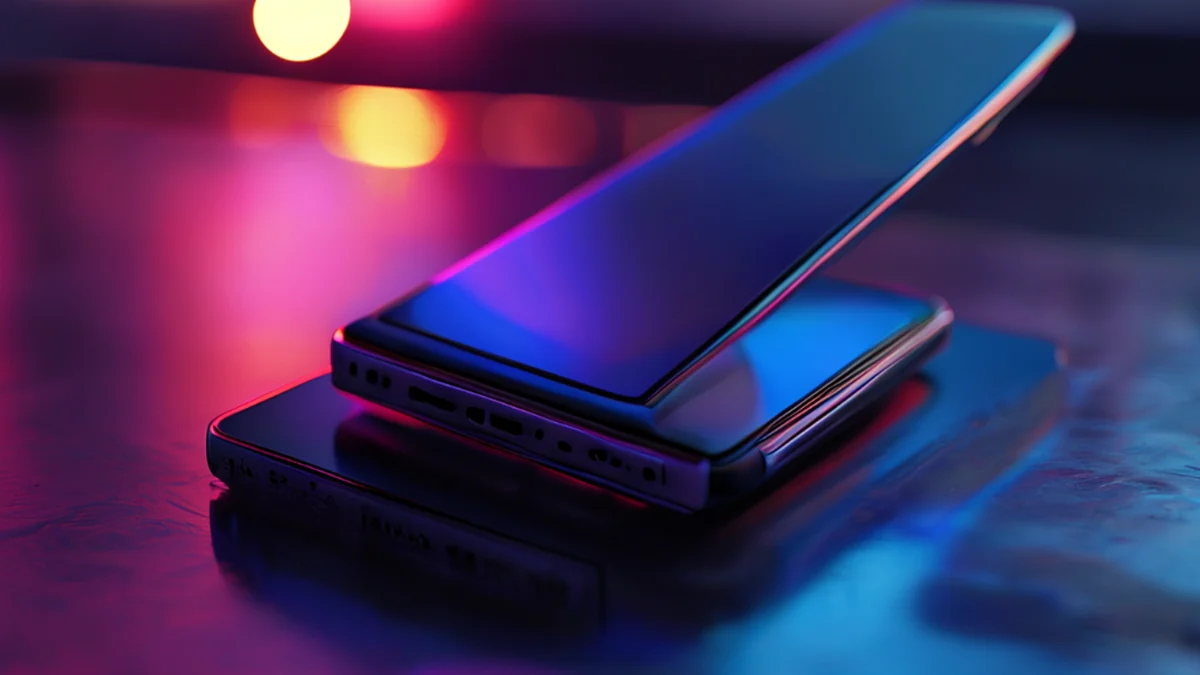
What is the difference between "Fold" and "Flip" models?
The first step in navigating this market is understanding the two primary form factors: the Fold (Book-type) and the Flip (Clamshell).
The Fold model functions like a pocket-sized tablet. When opened, it provides a massive canvas that allows for true split-screen multitasking. I personally tested a Fold-style device for a week of freelance work; being able to keep a Slack channel open on the left side while drafting emails on the right saved me roughly 20 minutes of app-switching every afternoon. The sheer scale of a 7.6-inch internal display provides a level of freedom that standard "bar" phones simply cannot match.
In contrast, the Flip model is all about lifestyle and portability. It functions as a compact device that folds in half, making it incredibly easy to slip into small pockets or bags. Beyond aesthetics, the "Flex Mode" allows you to prop the phone up at any angle—perfect for hands-free video calls or capturing content without a tripod. While the Fold is a tool for power users, the Flip is often the choice for those who want a premium experience that doesn't compromise on size.
How do hinge technology and UTG displays actually work?
The leap from prototype to everyday reliability happened through two major engineering breakthroughs: the Waterdrop Hinge and Ultra Thin Glass (UTG).
- The Waterdrop Hinge: Earlier foldable designs suffered from bulky frames and prominent creases because they used simple "U-shaped" hinges. Modern devices utilize a "Waterdrop" design where the internal display curves into the hinge area when closed. This allows for a much slimmer profile and distributes physical stress more evenly, significantly reducing the visibility of the center crease.
- UTG (Ultra Thin Glass): While earlier models relied on plastic-based polymers like Polyimide (PI), premium foldables now frequently utilize UTG. This is glass processed to an extreme thinness while maintaining its crystalline structure. According to Samsung Electronics' technical specifications, these components are often tested for over 200,000 folds to ensure durability throughout the device’s lifecycle.
Why is the foldable market growing so rapidly in 2024?
Foldable phones are no longer a niche product; they are a primary growth engine for the global mobile industry. According to Counterpoint Research's 2023 annual report, foldable shipments grew by double-digit percentages as consumers became more comfortable with the technology. Furthermore, data from IDC's 2024 Worldwide Quarterly Mobile Phone Tracker suggests that foldables are capturing a larger share of the "premium" segment (devices over $800) because they offer something unique: a dynamic screen area.
The market is moving toward "slim-ification." Manufacturers are investing heavily in high-density internal components to make Fold models feel less like "thick" devices and more like standard phones that just happen to fold. As the manufacturing costs drop, these devices are becoming more accessible to the mainstream audience.
| Feature | Fold (Book-type) | Flip (Clamshell) |
|---|---|---|
| Primary Use | Productivity & Multitasking | Portability & Social Media |
| Screen Size | Large (~7.6 to 8 inches) | Standard (~6.7 inches) |
| Key Advantage | Split-screen, Tablet-like experience | Compact size, "Flex" mode for photos |
| Ideal User | Professionals, Gamers, Power Users | Style-conscious users, Content creators |
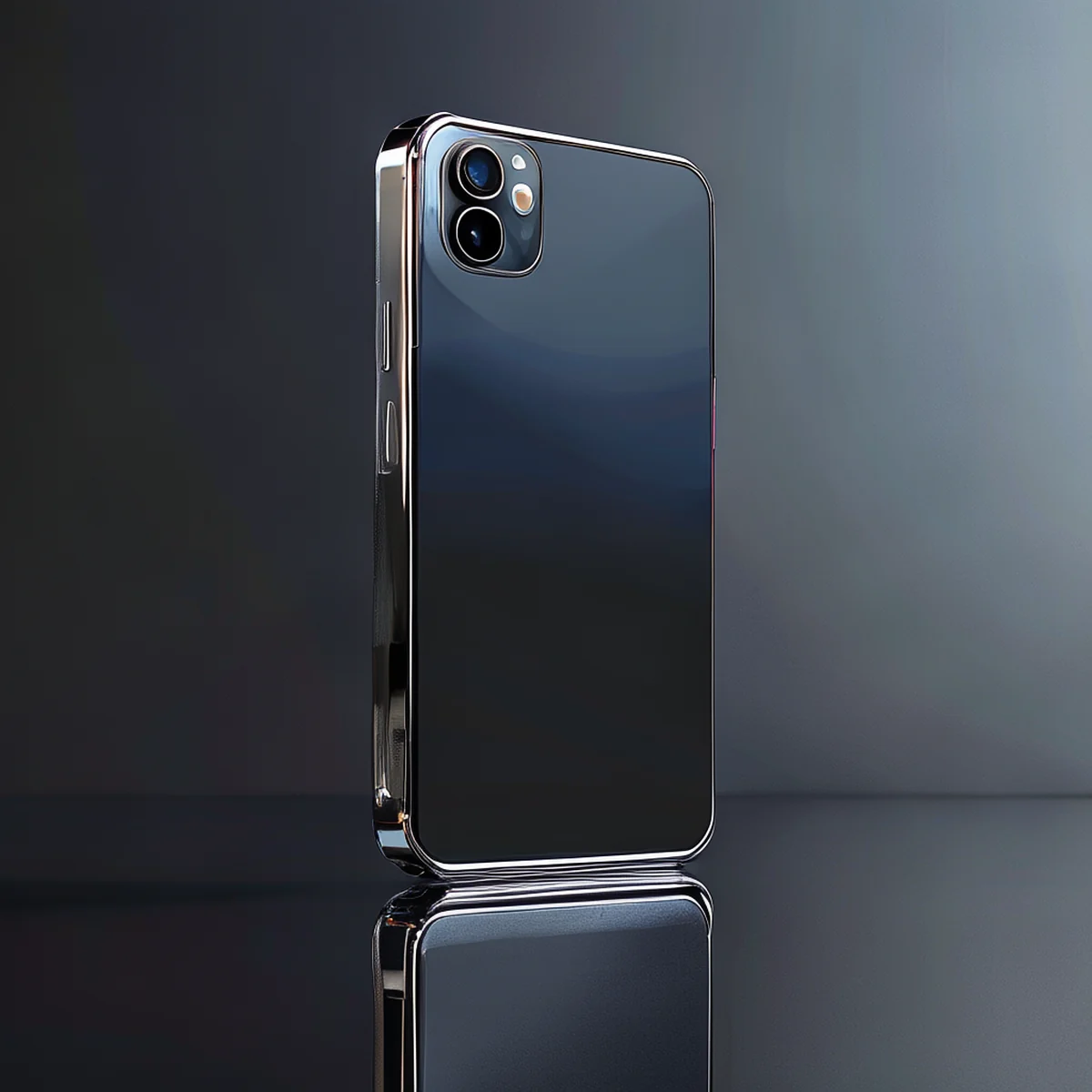
What are the specific limitations or trade-offs to consider?
While the technology is advancing rapidly, there are still nuances that might make a standard phone better for some users. It "depends" on your tolerance for certain compromises:
* Weight and Bulk: Foldable devices—especially the larger Fold models—are almost always heavier than their "bar" counterparts. A Fold model can weigh significantly more (often over 230g), which might be a concern if you prefer a lightweight device for all-day use. * Battery Constraints: Due to the physical space required by the hinge mechanism, Flip models often have slightly smaller battery capacities than similarly sized standard phones. This means power users who need heavy "on-the-go" usage may find themselves reaching for a charger sooner than they would with a traditional phone.
What should you look for before making your purchase?
Because these are premium investments, you should evaluate your needs against these four specific criteria:
- Primary Use Case: If your day involves heavy document editing or video production, the Fold is the clear winner. If your primary use is social media, photography, and "on-the-go" communication, the Flip provides a more elegant experience.
- Crease Sensitivity: No matter how advanced the tech, a slight crease remains visible in many foldables. You should visit a local retailer to feel the texture of the screen; if you are someone who is bothered by any visual imperfection, you may prefer a standard flat-screen phone.
- Environmental Durability: While most modern foldables now carry an IPX8 water resistance rating, they are still more complex machines than "bar" phones. If you frequently work in dusty construction environments or very wet conditions, the extra moving parts of a foldable might be a liability.
- Ecosystem Integration: Check if the device supports the stylus (like the S-Pen) if you rely on precision input for notes or drawing.

Comments 0