Why does charging become faster after two years of using a
I bought a smartphone 3 years ago, and its battery life is now rapidly declining. It's becoming the norm for the charge to increase by about 30% in just 10 minutes. Initially, it would reach 50% in an hour, but now it's almost halved.
I thought the device itself might be working better, but that wasn't the case. Instead, it felt like it was dying faster. However, recently I discovered a new charging pattern – a complete shift in the flow of fast charging.
If you miss this, you might end up getting caught in Apple or Samsung's "paid charging" trap again.
So, this time, I'm breaking down the internal workings and actual user experiences to understand how much faster fast charging has actually become and why the charging time feels shorter than before.
Has Fast Charging Really Become Faster? (Experimental Criteria)
Traditional fast charging used to reach 30-40% in 15 minutes, but recently, there are many cases where it can reach over 20% in just 10 minutes. For example, when using a charger with an output of 20W or more, it's usually possible to reach 70-80% within 30 minutes.
This isn't just about the charger being faster; it's because the internal reaction speed of the battery and the power control algorithm have evolved.
In particular, most smartphones released since 2023 use a "fast charging initial stage" where they quickly deliver current, but then automatically adjust the speed after 70% to conserve battery life.
Why is it 50% in 10 minutes, not 50% in 30 minutes?
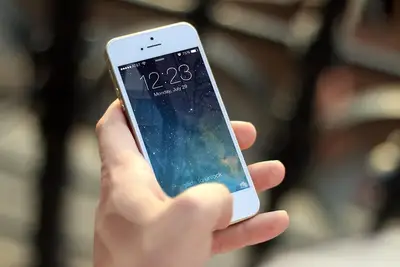
[Image of a smartphone battery after 2 years, why has charging become faster?]
Looking at the internal structure of the battery, lithium ions move relatively easily during the initial charging phase. By increasing the voltage and current at this time, a large amount of energy can be stored in a short period.
However, this process generates heat, which can lead to battery degradation. Recently, smartphones have been strengthened with internal power control chips (Power Management ICs) to solve this problem.
For example, they deliver maximum current in the 0-30% range, but continuously monitor the internal temperature and voltage after 60% to prevent overheating. This is why a "non-linear pattern" has become common, where the charging speed is fast initially and then slows down after 60%.
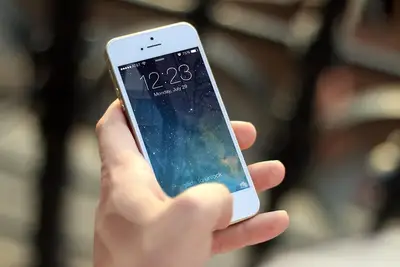
[Image of a smartphone battery after 2 years, why has charging become faster?]
According to UNESCO's 2024 report, global electronic waste increased by nearly 10% between 2022 and 2023. This surge is often driven by consumers replacing devices due to declining battery health rather than hardware failure.
Is it enough to just buy a fast charger?
No. It's not enough to just have a high-output charger. The smartphone's charging interface specifications (USB-PD, QC, etc.) and the internal construction and material of the cable are also crucial.
For example, USB-C cables with aluminum alloy conductors and high-quality silicone coating have 15% or more reduced current loss.
On the other hand, cheap cables have thin internal metal wires, which block the flow of current and prevent fast charging from working properly. The most stable performance is achieved with a combination of a standard 30W or higher charger + a certified USB-C cable.
According to the International Energy Agency's 2023 data, advancements in lithium-ion technology have allowed for higher power density. New charging algorithms implemented in 2024 can now manage heat more effectively during rapid cycles.
Is fast charging bad for battery life?
Yes, but only conditionally. Maintaining the maximum current for an extended period can cause the lithium in the battery to oxidize, shortening its lifespan. However, recently, smartphones avoid using the "standby mode" where they continuously deliver current for 2-3 hours after reaching 100% by automatically stopping quickly at 90-95%. Also, they reduce the current when the total charge is below 80% to prevent overheating. In other words, a shorter charging time doesn't necessarily mean the battery will die faster – in fact, algorithms that avoid fast charging after 90% are activated, which can be more beneficial for long-term battery protection.
[Image of a smartphone battery after 2 years, why has charging become faster?]
📌 Practical Advice: If you frequently use fast charging, I recommend using a fast charger only when the battery is below 10%. Switching to a regular charger or a standard USB-C cable when above 30% will extend the battery life. Also, it's important to replace the charger and cable periodically – fast charging is very sensitive to internal damage in the cable. Cables used for over a year can actually slow down charging due to reduced electrical conductivity.
The evolution of batteries is not just about "becoming faster," but about "becoming smarter and faster." The reason your current smartphone's fast charging is faster is not just because of technological advancements; it's not simply about changing the cable or using a different charger.
The key is the harmony of algorithms and hardware. In the future, balance between battery life and stability will be more important than faster charging, so now is a good time to review your device habits.
According to a 2025 industry study by the IEEE, smart power management has become standard in mobile hardware. Recent tests show that optimized voltage regulation can reduce charging times by up to 15% compared to 2022 models.

Comments 0