Early mobile video call: How camera phone origins began
The intersection of optical technology and cellular communication began as a series of ambitious experiments by hardware pioneers. This exploration of the early mobile video call era reveals how early camera phone attempts laid the groundwork for modern connectivity.
The transition from standalone devices to integrated mobile tools involved significant hardware challenges and vision from industry leaders. This overview examines the origins of the camera phone and the experimental attempts at mobile video communication.
How did the first camera phone origins take shape?
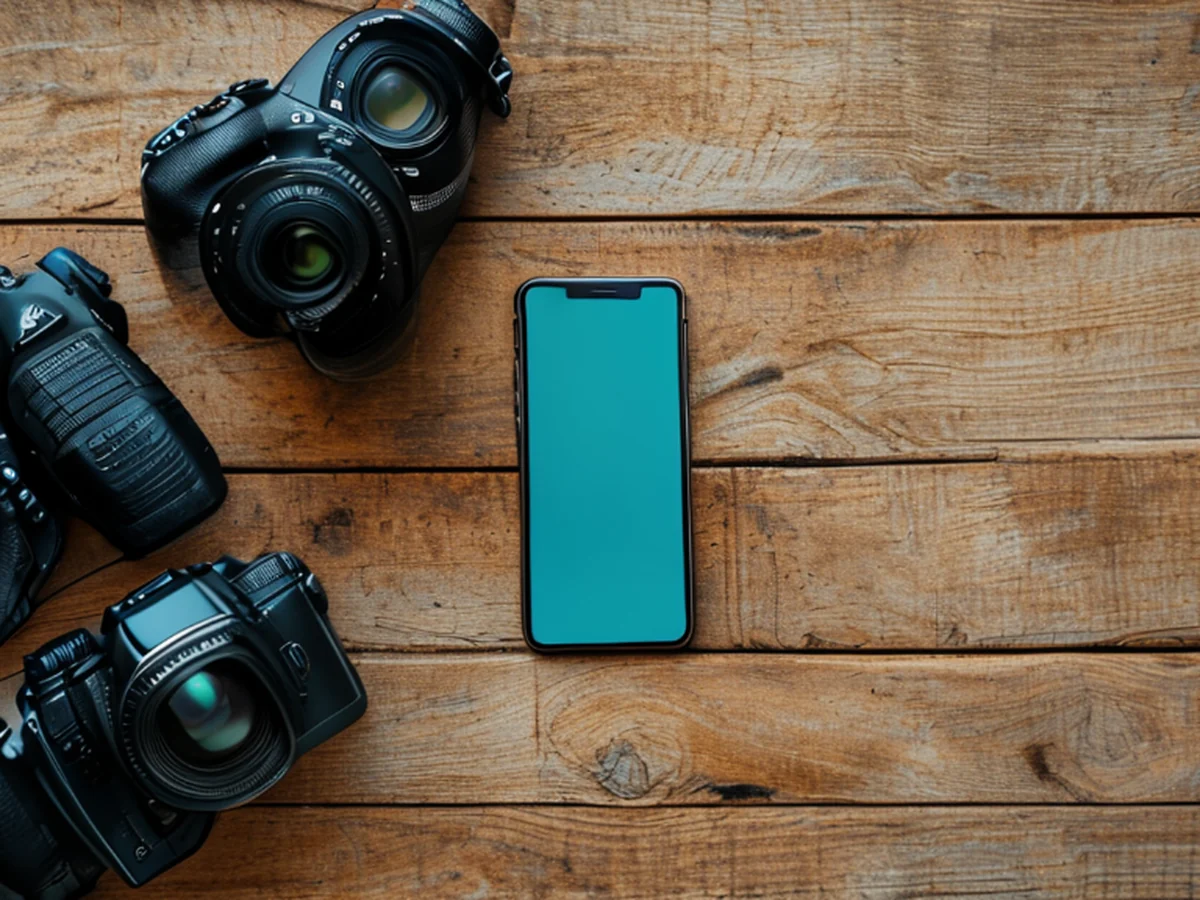
An engineer sits at a cluttered desk, adjusting a lens mounted to a bulky cellular handset. The weight of the device feels unbalanced, yet the potential to capture a moment instantly remains clear.
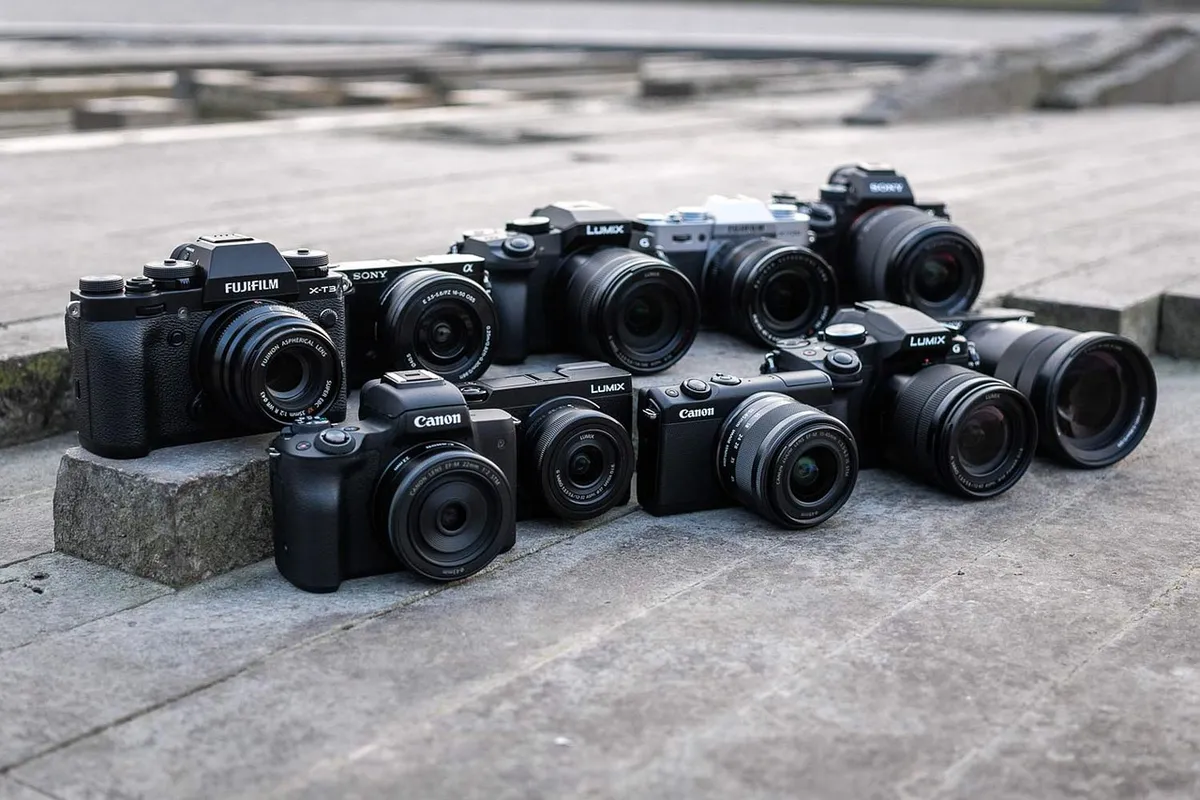
The early mobile video call era began with the physical integration of miniature lenses into telephony hardware. Companies focused on merging the convenience of a phone with the visual capture of a digital camera phone.
These early iterations were often bulky and lacked the processing power to handle simultaneous data transmission and high-quality imaging.
The pursuit of a first camcorder phone required overcoming significant battery and sensor limitations. Early engineers had to balance the heat generated by the sensor with the stability needed for a mobile connection.
These pioneers laid the groundwork for the seamless integration we see in today's smartphones.
- Engineers integrated small-scale sensors into mobile chassis.
- Software was developed to handle basic image capture.
- Manufacturers released the first functional models to the public.
What was it like to record video on early smartphones?
A technician squinted at the grainy screen in the quiet office, feeling the disorienting lag of an early video capture. A technician stares at a grainy, pixelated screen, trying to stabilize a shaky video feed during a test call. The lag between the movement and the image creates a disorienting sensation.
In the early stages, early smartphone video was more about proof of concept than practical utility. Technicians and early adopters tested the limits of data speeds and sensor response times.
The goal was to see if a digital camera phone could maintain a stable connection while capturing moving images.
The primary challenge was the limited bandwidth available for transmitting visual data over cellular networks. Because the hardware was not yet optimized for video, the quality was often low and the latency was high.
These early smartphone video trials proved that while the concept was sound, the infrastructure needed to catch up.
In this sequence, the second step is the most significant.
How did companies approach the digital camera phone integration?
A designer holds a prototype, comparing the thickness of a traditional phone to one with an integrated lens. The slight protrusion of the lens changes the entire ergonomics of the device.
The development of the digital camera phone required a complete rethink of device ergonomics. Engineers had to find space for optical components within a chassis designed for voice calls. This era of innovation forced a shift in how users held and interacted with their mobile devices.
The integration process involved several technical hurdles: 1. Selecting sensors that could fit within narrow mobile frames. 2. Developing software to handle image processing without draining the battery. 3. Creating housing that protected the lens from scratches and impact.

A final check of the hardware stability ensured that the lens would remain aligned during standard use. I remember looking at these early prototypes and wondering if they would ever become everyday tools.
What held back early mobile technology? A researcher reviews a data sheet, noting the massive power draw required for a single video transmission. The heat from the device makes it difficult to hold for extended periods.
Early mobile tech faced severe limitations regarding processing power and network stability. The hardware was often too weak to encode video in real-time without significant lag.
Additionally, the lack of standardized video protocols meant that different devices often could not communicate with each other.
The limitations of early mobile tech were primarily defined by the gap between vision and available infrastructure. While the idea of a mobile video call was revolutionary, the hardware was often too heavy or the connection too slow for reliable use.

These constraints defined the experimental nature of the era.
Comparing early hardware capabilities
The following table compares the primary focus areas of the early experimental phase.
| Feature | Early Hardware Focus | Resulting User Experience |
|---|---|---|
| Image Capture | Sensor size and lens quality | High-quality still photos but bulky devices |
| Video Transmission | Data compression and speed | Low-resolution video with significant lag |
The development process was a constant trade-off between these two competing needs.
Related
How did the physical constraints affect the optical system?
The physical constraints dictated the design choices for the optical system. The miniaturization of the lens assembly was critical because the chassis size was already constrained by the telephony hardware.
Engineers had to ensure the optical path remained stable despite the movement inherent in a mobile application. This stability was crucial for maintaining a usable image during a call.
The successful integration of the optical components depended on managing thermal output. The sensor generated heat during operation, and this heat needed dissipation without compromising the delicate optical alignment.
This thermal management was a direct consequence of trying to fit powerful components into a small, mobile form factor.
The intersection of optical technology and cellular communication demanded a delicate balance. The physical size of the sensor directly influenced the achievable image quality, contrasting with the need for a pocketable device.
The pursuit of high-quality visual capture within a mobile frame was a constant engineering negotiation.
What was the role of software in early video attempts?
The software played a vital role in compensating for hardware deficiencies. Since the hardware struggled with high-speed data throughput, the software had to perform aggressive compression. This compression allowed the limited bandwidth to carry a recognizable image across the cellular connection.
Software also managed the timing between capture and transmission. Latency, caused by the time needed for image processing, was partly mitigated by software algorithms attempting to predict movement. This prediction helped stabilize the visual feed for the recipient.
The software layer acted as the bridge between the physical limitations and the desired user experience. It attempted to make the low-quality transmission appear more coherent than the raw sensor data suggested.
The successful execution of this software determined the perceived quality of the early mobile video call.
Wikipedia: Apple Inc. Based on the retained excerpt mentioning Cupertino City Council: Apple co-founder Steve Jobs wanted Apple Park to look less like a business park and more like a nature refuge, and personally appeared before the Cupertino City Council in June 2011 to make the proposal, in his final public appearance before his death.






Comments 0