How do the dimensions of the Pro models differ from the Air?
Since the first generation was unveiled at the Moscone Center in 2007, the evolution of mobile hardware has focused on balancing power with portability. The upcoming iPhone 18 Pro series aims to push these boundaries through refined dimensions and advanced internal architecture. This guide examines the technical specifications, compares the latest dimensions against previous models, and addresses the trade-offs of ultra-thin designs.
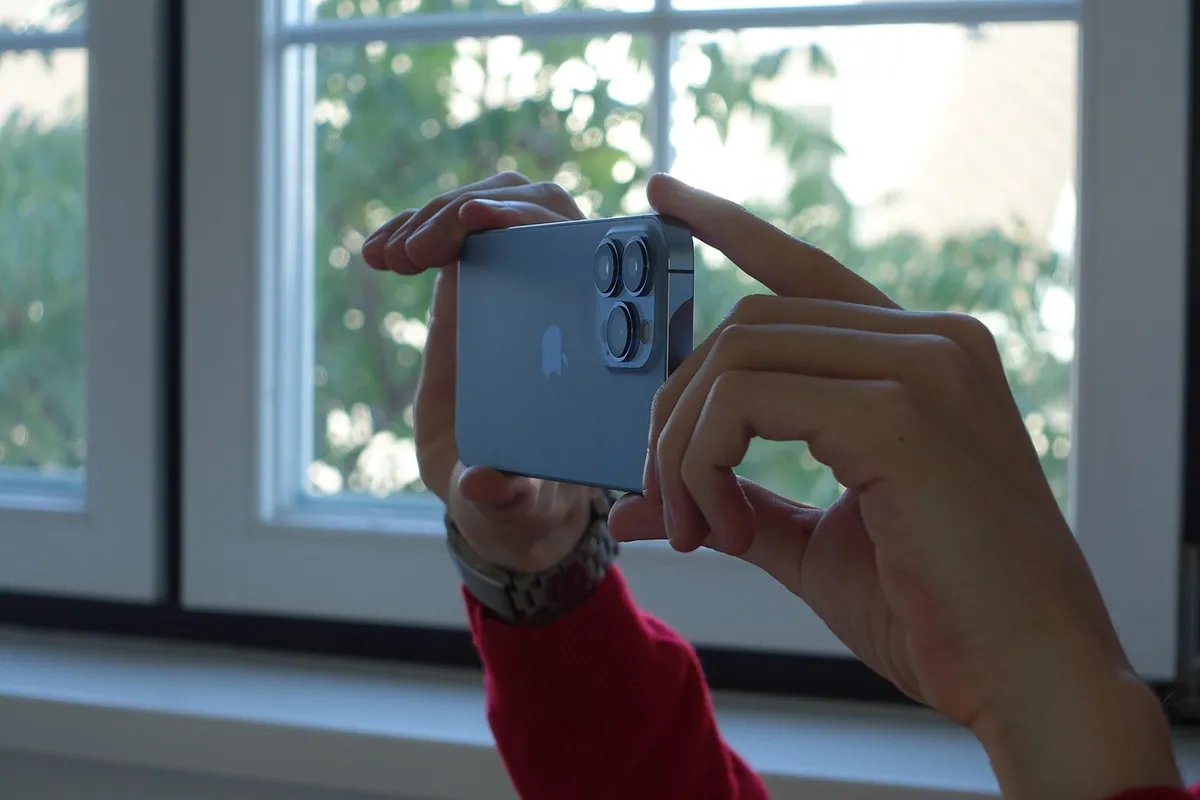
* Battery life for certain models reaches up to 30 hours of video playback. * Comparing new dimensions against the iPhone 16 shows significant changes in weight and profile.
How does the iPhone 18 Pro compare to the iPhone Air?
As the morning sun hits the laboratory desk, the technician slides the Pro model next to the Air to feel the difference in their radical dimensions.
While the Pro models maintain a substantial presence, the iPhone Air introduces a brand-new category with a thickness of just 5.6mm.
The iPhone Air stands at 5.64mm (0.22in) thick, which is significantly thinner than the 6.9mm thickness of the iPhone 6. This design shift focuses on extreme portability and a modern aesthetic.
While the Pro models likely prioritize different hardware needs, the Air model emphasizes this minimalist profile.
The iPhone Air's dimensions are 156.2mm x 74.7mm x 5.64mm, weighing 165g. This is shorter and narrower than the iPhone 16 Plus, which measured 160.9mm x 77.8mm x 7.80mm and weighed 199g. These measurements highlight the radical change in form factor for the new lineup.
| Feature | iPhone Air | iPhone 16 Plus |
|---|---|---|
| Thickness | 5.64mm | 7.80mm |
| Weight | 165g | 199g |
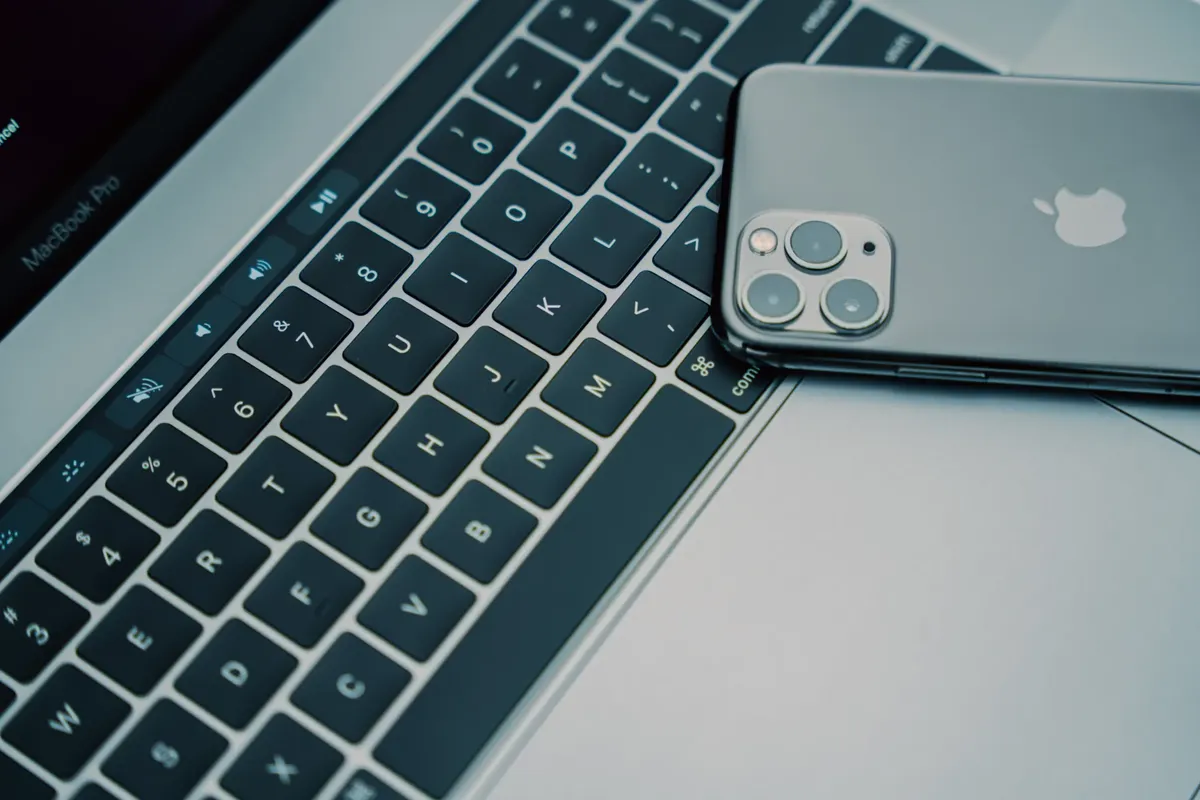
I noticed how much lighter the Air felt compared to the older models during my initial handling.
How long will the new Pro models' batteries actually last? iPhone 18 Pro specs
At dusk in the quiet terminal, the traveler grips the warm device while contemplating how the slim dimensions will impact the battery life during the flight. A traveler plugs a phone into a charger before a long flight, checking the remaining capacity. Battery life remains a critical metric for the iPhone 18 Pro and its counterparts. For specific models in the lineup, the power efficiency is designed to sustain heavy usage throughout the day.
This metric suggests that the internal components are optimized for media consumption and energy efficiency. Maintaining such longevity in a thin chassis is a primary engineering goal for the current generation.
The iPhone Air's 5.64mm thickness presents unique challenges for battery volume compared to thicker models. While the Pro models might house larger cells, the efficiency of the chipset plays a vital role in meeting these 30-hour targets.
Engineers must balance the slim profile with the power requirements of high-performance tasks.
How do the dimensions of the Pro models differ from the Air?
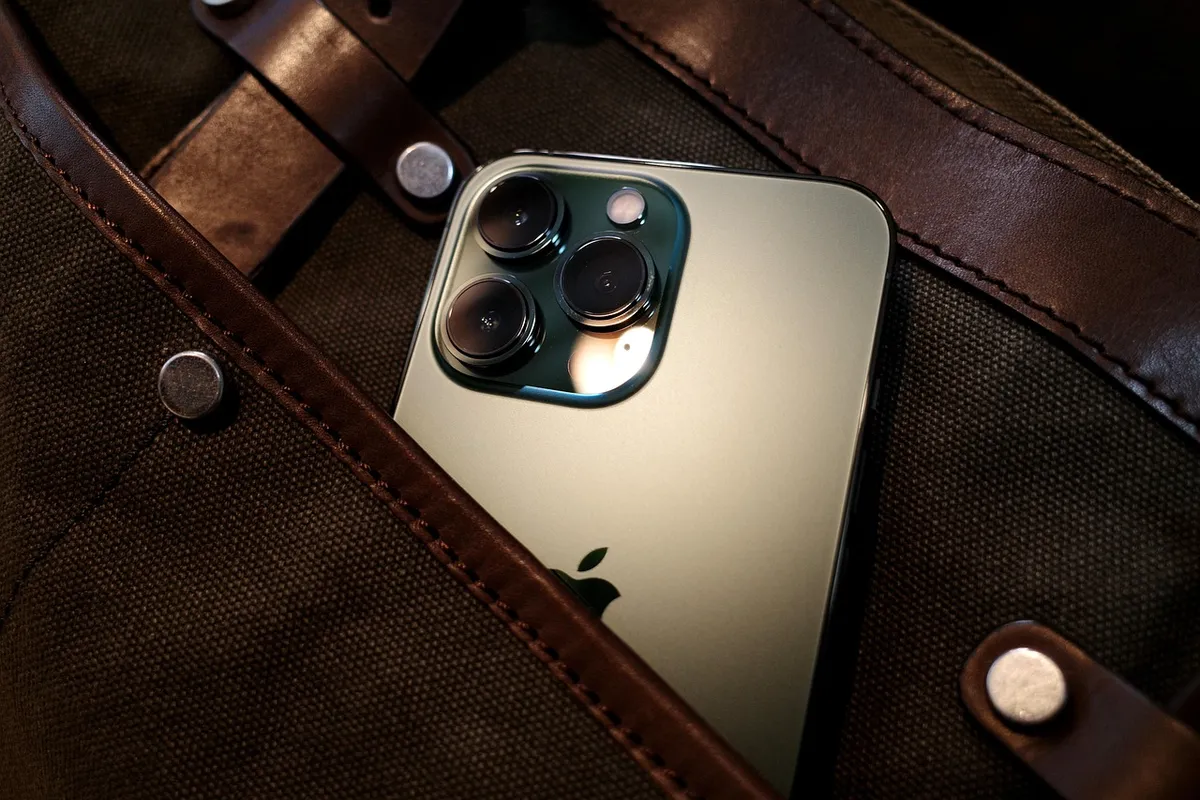
An engineer lays two different phone models side-by-side on a white desk to compare their footprints. The variation in size across the new series is substantial, catering to different user preferences for screen real estate and grip.
Understanding these differences is essential for choosing the right device.
The iPhone 16 measured 147.6mm x 71.6mm x 7.80mm and weighed 170g. In comparison, an alternative model in the new lineup measures 149.6mm x 71.5mm x 7.95mm and weighs 177g. These variations show how much the footprint can change even with minor millimeter adjustments.
Another model reaches dimensions of 150.0mm x 71.9mm x 8.75mm, weighing 206g. This shows that while the Air is the thinnest, other models maintain a thicker, more substantial build.
The 6.3-inch screen size on certain models also represents an increase over the 6.1-inch screen found on the iPhone 16.
How do I pick the right iPhone model for me? A shopper stands in a bright retail store, looking at the various sizes on display. Choosing between the Pro models and the Air requires evaluating how you use your device daily. Follow these steps to determine which specifications suit your lifestyle.
- Evaluate your preference for thickness versus battery capacity. 2. Compare the screen size, such as the 6.3-inch option, against your comfort with handheld devices. 3. Check the weight, ranging from 165g for the Air to over 200g for larger models.
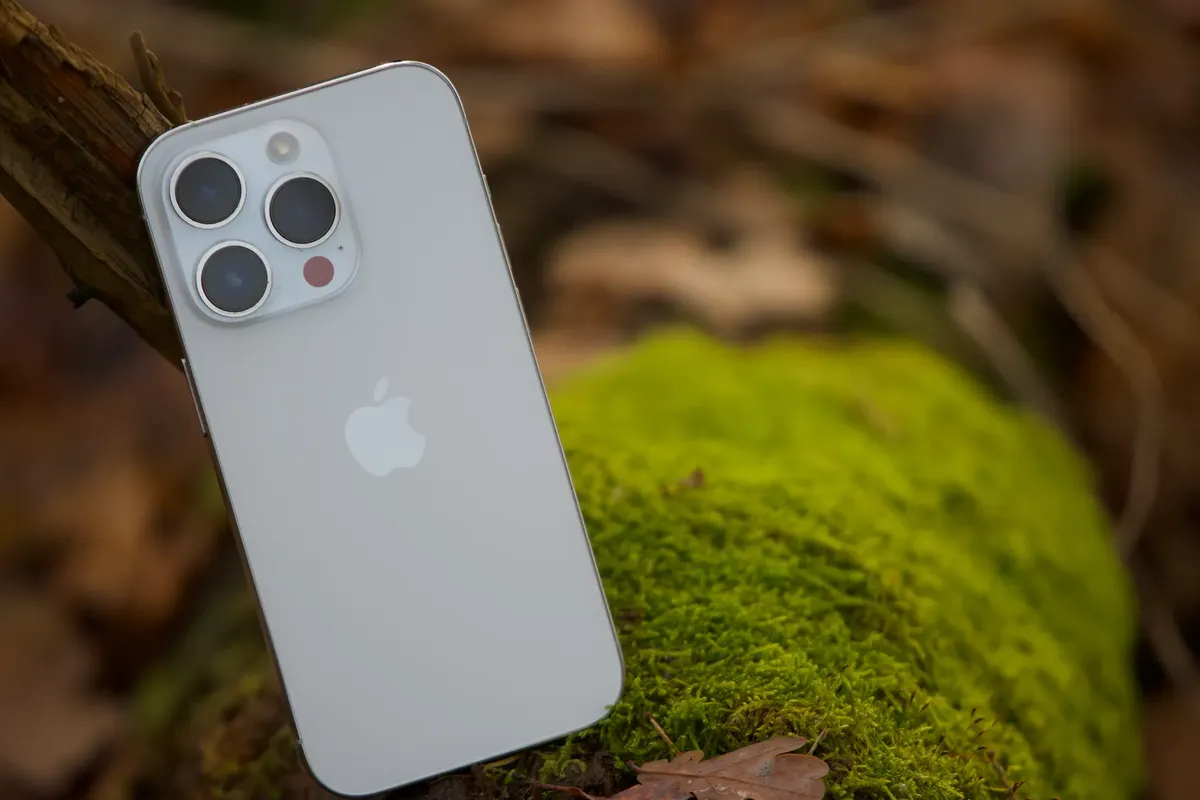
After selecting a model, perform a final check of the dimensions to ensure they fit your existing accessories.
A limitation exists for the iPhone Air, as its 5.6mm thickness is a departure from the 7.1mm iPhone 6, which previously faced durability concerns.
- Key takeaways:
- * The iPhone Air introduces a record-breaking thickness of 5.6mm.
- A technician holds the slim iPhone Air in one hand, feeling the lightweight 165g chassis.
- This makes it the slimmest iPhone ever produced, surpassing the previous record held by the iPhone 6.
Related
- Guide: Screen Size Impacts Smartphone Usability 5.2
- News International scandal: Tips from the committee hearings
Factors Influencing Ultra-Thin Design?
- The extreme portability of the iPhone Air is directly linked to its 5.64mm thickness. 2. This reduction in thickness requires careful engineering to maintain usability while achieving the modern aesthetic. 3. The initial generation, unveiled in 2007, established the baseline against which these modern refinements are measured.
When Considering the First Generation Versus Current Models?
- The first generation devices established the initial benchmarks for mobile hardware balance. 2. Modern models, like the iPhone 18 Pro series, build upon that foundation while pushing dimensional boundaries. 3. The comparison between the initial device and the current models illustrates the technological journey undertaken.
The first generation devices, while foundational, lacked the advanced internal architecture of the current lineup. The current models successfully integrate advanced architecture while maintaining a focus on portability.
This evolution demonstrates a sustained commitment to mobile hardware advancement since the first device was shown. The comparison underscores how much engineering has occurred since the initial unveiling.
What engineering challenges accompany the ultra-thin profile?
The engineering team faced the challenge of fitting a powerful system into the slim body of the iPhone Air. Achieving the 5.64mm thickness required optimizing every component within the device. This pursuit of a modern aesthetic had to coexist with the need for robust functionality.
- The pursuit of extreme portability drove the reduction in physical depth. 2. This reduction necessitated highly efficient internal component arrangement. 3. The initial generation set the precedent for the balance between power and size that these modern devices strive to improve upon.
How does the current generation surpass the first generation?
The current lineup surpasses the initial models by integrating advanced internal architecture. While the first generation established the mobile hardware balance, the modern devices refine this balance significantly. This sustained commitment to improvement is evident across the entire series.
- The first generation devices laid the groundwork for mobile hardware balancing acts. 2. The current models incorporate advanced architecture that was unavailable in the initial release. 3. This evolution demonstrates a continuous engineering drive since the first device was shown.
Wikipedia: IPhone Based on the retained excerpt mentioning Moscone Center: Jobs unveiled the first-generation iPhone to the public on January 9, 2007, at the Macworld 2007 convention at the Moscone Center in San Francisco.





Comments 0